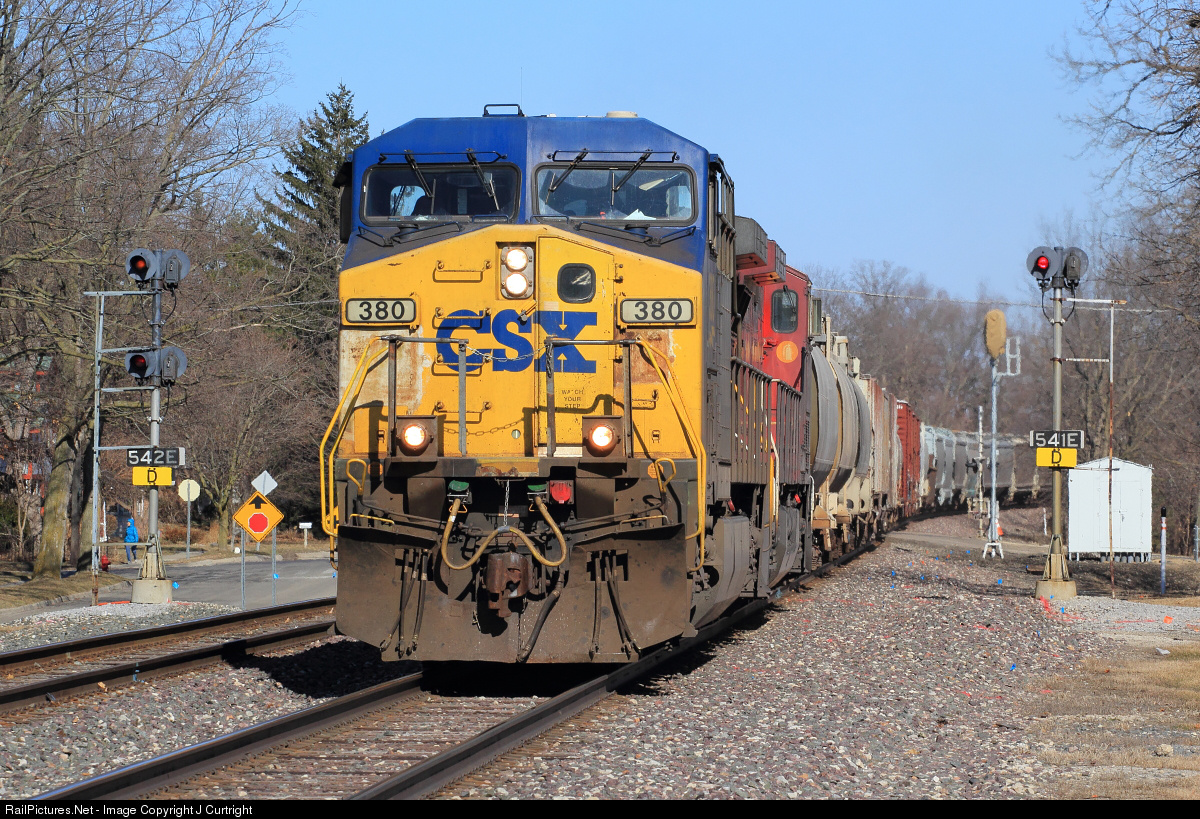
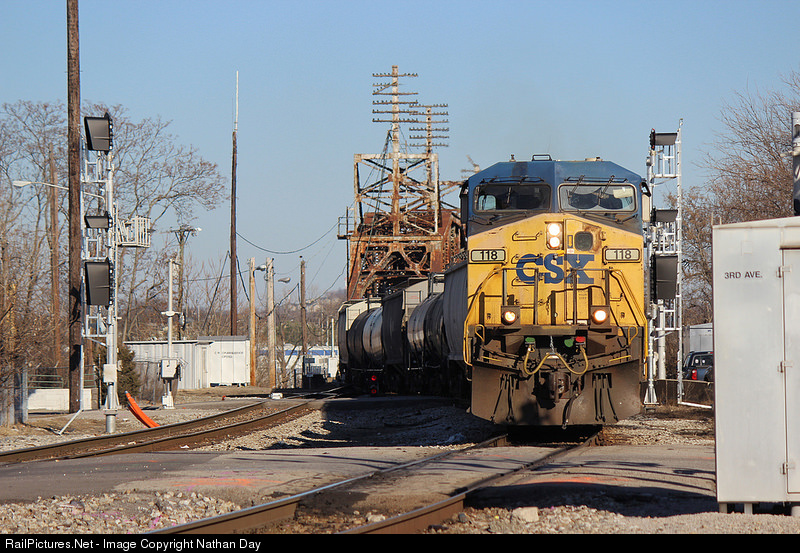
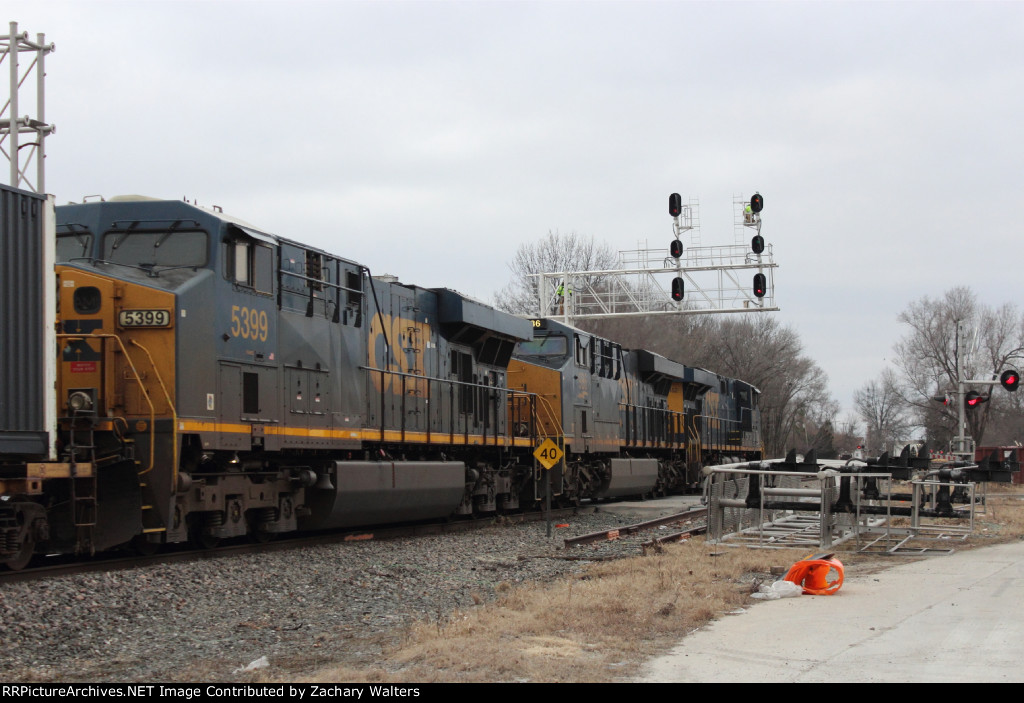
It looks like after a lull the pace of tower closures is really picking up. This time the famous UD Tower in Joliet, IL has closed in anticipation of a reconstruction of the Joliet Union Station area. I didn't catch much word of this except for a few photos showing the classic Rock Island signal bridges on their last day and then with the signals turned and out of service (although it did make the local Chicago news).
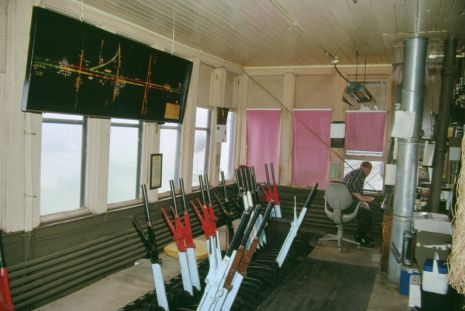
The 224 lever GRS Pistol Grip machine was one of the last of a vanishing breed and one of the largest still in service although many of the levers had been painted white out of service. UD had long held on as a METRA outpost on two major freight lines where the local eye of an operator was valued for its flexibility.
In recent years the last remaining double slip had been chopped down into a single turnout.
Like many classic towers UD presented many operational challenges from the lack of support for full speed reverse direction movements and model boards that lacked any capacity to display track occupancy!
Hopefully the maliciously maintained interlocking machine and relay room will be preserved. It would make a fine museum in a revitalized downtown Joliet.
For more information see my previous write-up on UD Tower with photos taken in 2005-2006.
A blog devoted to explaining the ins and outs of North American railroad signaling, past, present and future. This blog seeks to preserve through photo documentation the great diversity and technical ingenuity of 20th century signaling and interlocking hardware and technology. Related topics cover interlocking towers and railroad communications infrastructure.
Note, due to a web hosting failure some of the photos and links may be unavailable.
Search This Blog
Thursday, April 30, 2015
Sunday, April 19, 2015
BO Tower Downgraded
I just learned that last September BO Tower in Kalamazoo, MI decommissioned it's 1915 vintage mechanical lever frame in conjunction with a re-signaling program associated with the previously discussed Wolverine corridor improvements financed by MI DoT. Similar to Ridgely Tower in Springfield, IL, the former New York (Michigan) Central Tower guarded a pair o 2x1 diamond crossings on a line that tended to see more passenger movements than freight. Located at the end of the 100 or so mile long Amtrak owned segment, the tower salutorily neglected under both Conrail and NS. When NS turned over the Michigan Line to a shortline railroad I had hoped that the cash-strapped operator would continue the previous policy of no improvements. Unfortunately a chunk of state and Federal funding chose to upset the cart.
This YouTube video will explain in further detail exactly what happened, but like CORK, the old interlocking machine was retired with the plant now worked from a bunch of modern panels. The tower has remained in service due to the terms of an agreement with NS to provide dispatching services over the line until 2017, but after that date it is expected that the tower will be closed with duties turned over to Amtrak out of Chicago. Like the rest of the Michigan Line the new signals are of the full blown Darth Vader type with LED lamps.
Based on an analysis of the interlocking plant, the 1915 lever frame contained only active switch lever with lock for the wye connection, two crossing levers (colored brown) for each diamond crossing and on the order of 10 signal levers assuming each crossing line needs two. The photos at the Michigan Railroad History site from around 1990's shows the third diamond crossing still in service.
Of course nobody should be surprised of this development, but once again it is a shame that the spiritual home of the Michigan Central has lost its MC vintage tower and small target searchlight signals.
This YouTube video will explain in further detail exactly what happened, but like CORK, the old interlocking machine was retired with the plant now worked from a bunch of modern panels. The tower has remained in service due to the terms of an agreement with NS to provide dispatching services over the line until 2017, but after that date it is expected that the tower will be closed with duties turned over to Amtrak out of Chicago. Like the rest of the Michigan Line the new signals are of the full blown Darth Vader type with LED lamps.
Based on an analysis of the interlocking plant, the 1915 lever frame contained only active switch lever with lock for the wye connection, two crossing levers (colored brown) for each diamond crossing and on the order of 10 signal levers assuming each crossing line needs two. The photos at the Michigan Railroad History site from around 1990's shows the third diamond crossing still in service.
Of course nobody should be surprised of this development, but once again it is a shame that the spiritual home of the Michigan Central has lost its MC vintage tower and small target searchlight signals.
Labels:
Amtrak,
Conrail,
interlocking,
interlocking machine,
MC,
news,
NS,
NYC,
searchlight
Wednesday, April 15, 2015
Amtrak's K Tower Threatened
No, the tower isn't closing, but if a developer gets his way Washington DC's iconic K Tower and the entire terminal throat might be covered over and replaced by office towers. Just like what was recently done in New York City with the Penn Station "hole", views like these will be a thing of the past. The CPLs, pneumatic point machines, green overhead wire and 5 track signal bridges forever hidden and bathed in pale LED light.
Even worse, forget getting a breath of fresh air while your through train get's its power swapped out. Everything will be under cover creating a smoky, Chicago style atmosphere with little to know lighting.
Sure urban development is important, but city after city has come to regret covering over its great train stations and creating smoky rabbit warrens. Chicago, New York and Boston have all made this mistake. Hopefully this is just another smoke and mirrors development project like oh so many before (remember the Jet's stadium that was planned to cover the West Side yard?)
Even worse, forget getting a breath of fresh air while your through train get's its power swapped out. Everything will be under cover creating a smoky, Chicago style atmosphere with little to know lighting.
Sure urban development is important, but city after city has come to regret covering over its great train stations and creating smoky rabbit warrens. Chicago, New York and Boston have all made this mistake. Hopefully this is just another smoke and mirrors development project like oh so many before (remember the Jet's stadium that was planned to cover the West Side yard?)
Wednesday, April 8, 2015
Lotsa News
With all the recent tower closings I have fallen way behind on more mundane forms of news. Most of these are in the form of general re-signaling updates, but there may be a few surprises.
We begin with some disastrous news from the Michigan Line. This line had recently been effectivly leased to the State of Michigan in support of Amtrak's Wolverine service. While the part of the line west of Kalamazoo has seen a good deal of new signaling in relation to the 110mph upgrade, the east part of the line had seen decades of non-investment. Usually state control is a good thing as States don't like to spend money, but here we see a double blow with small target Michigan Central searchlights (on their home turf no less) being replaced not with round Amtrak signals, but budget Darth Vaders. :-(
More evidence of CSX re-signaling on the old L&N in Nashville.
CSX has also been resignaling the former Conrail Indianapolis Line. Here the 1990's Conrail NR's are falling to Darth Vaders where it crosses the IC main in Effingham.
While the former N&W main line in West Virginia is still not seeing any wide-scale re-signaling, isolated signal locations are falling such as these double N&W CPL brackets near Ingleside.
The NS re-signaling project on the Southern Main Line has finally reached MIDLAND interlocking Gainesville, GA. Good thing I got out there for photos last October.
Hard to tell what exactly is going on at this SCL control point in Georgia. Could be the one dwarf signal is getting replaced by a mast. Could be a full on re-signaling. Smart money is on the latter.
We begin with some disastrous news from the Michigan Line. This line had recently been effectivly leased to the State of Michigan in support of Amtrak's Wolverine service. While the part of the line west of Kalamazoo has seen a good deal of new signaling in relation to the 110mph upgrade, the east part of the line had seen decades of non-investment. Usually state control is a good thing as States don't like to spend money, but here we see a double blow with small target Michigan Central searchlights (on their home turf no less) being replaced not with round Amtrak signals, but budget Darth Vaders. :-(
More evidence of CSX re-signaling on the old L&N in Nashville.
CSX has also been resignaling the former Conrail Indianapolis Line. Here the 1990's Conrail NR's are falling to Darth Vaders where it crosses the IC main in Effingham.
The NS re-signaling project on the Southern Main Line has finally reached MIDLAND interlocking Gainesville, GA. Good thing I got out there for photos last October.
Hard to tell what exactly is going on at this SCL control point in Georgia. Could be the one dwarf signal is getting replaced by a mast. Could be a full on re-signaling. Smart money is on the latter.
Tuesday, March 31, 2015
Caught on Camera - Episode 6: That Lowest Head
It is already challenging to catch interesting signal indications lit up in the wild, but indications featuring the third, or lowest head on North American three headed signal masts are especially uncommon. Catering to slow speed routes on main line track, the third head is already in a hole since because it is almost a truism that slow speeds are applied to those movements that don't happen very often. Moreover the lower head tends to be employed on oddball combination indications that again, are uncommon by definition. Over the last few months I have collected a sample of interesting indications that use the third head.
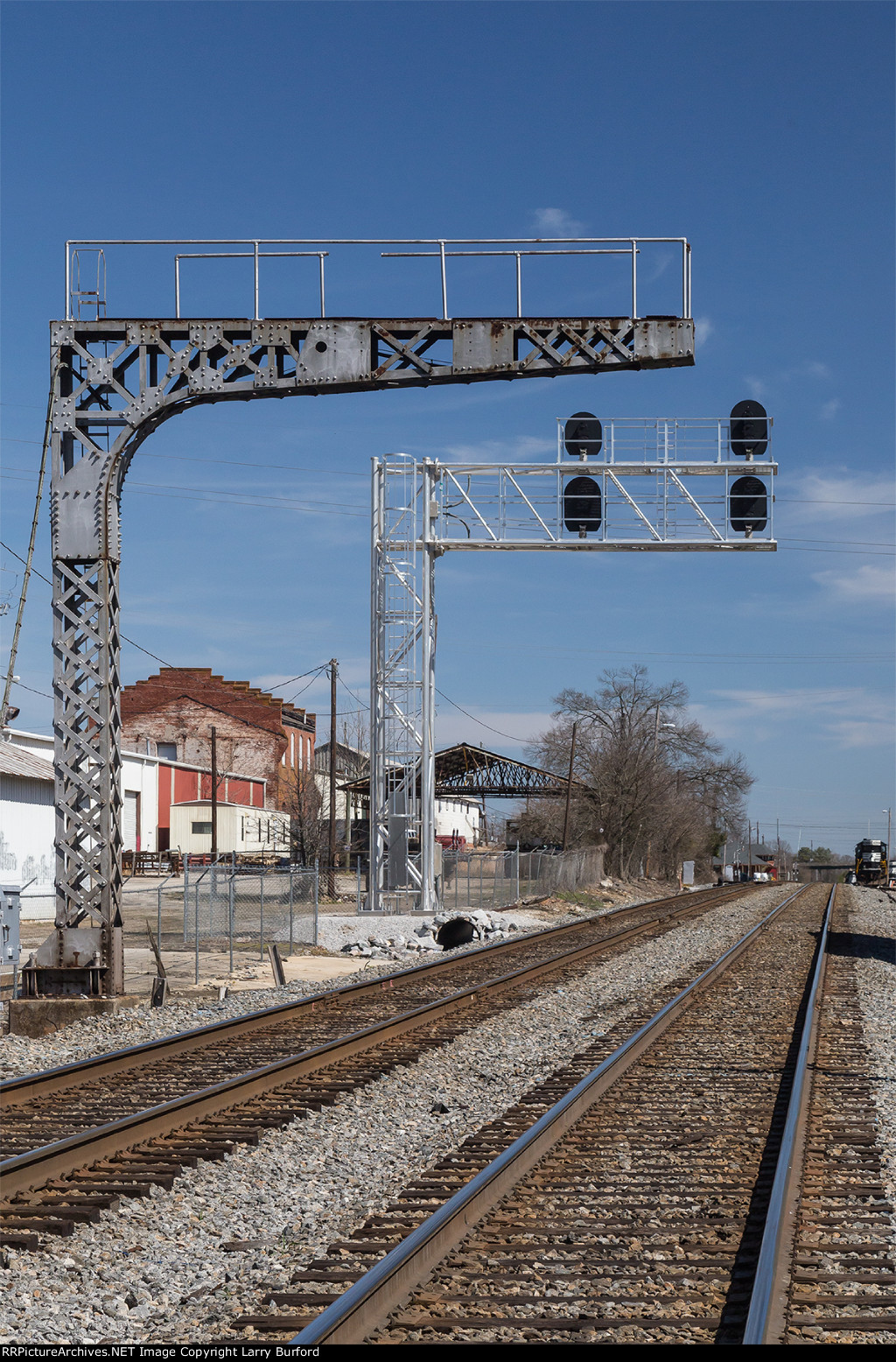
Here here we see a 1980's Southern style signal gantry in Chattanooga, TN. This one is notable because it features 4 great examples of the Southern's practice of "bottom yellow restricting". The two center heads are pretty straightforward with a yellow lamp on the bottom head that illuminates for Restricting movements into a yard. The two outer signals have a large gap representing a virtual middle signal head to save on costs. Here the UP #5480 is about to take a R/R/Y Restricting into the yard.
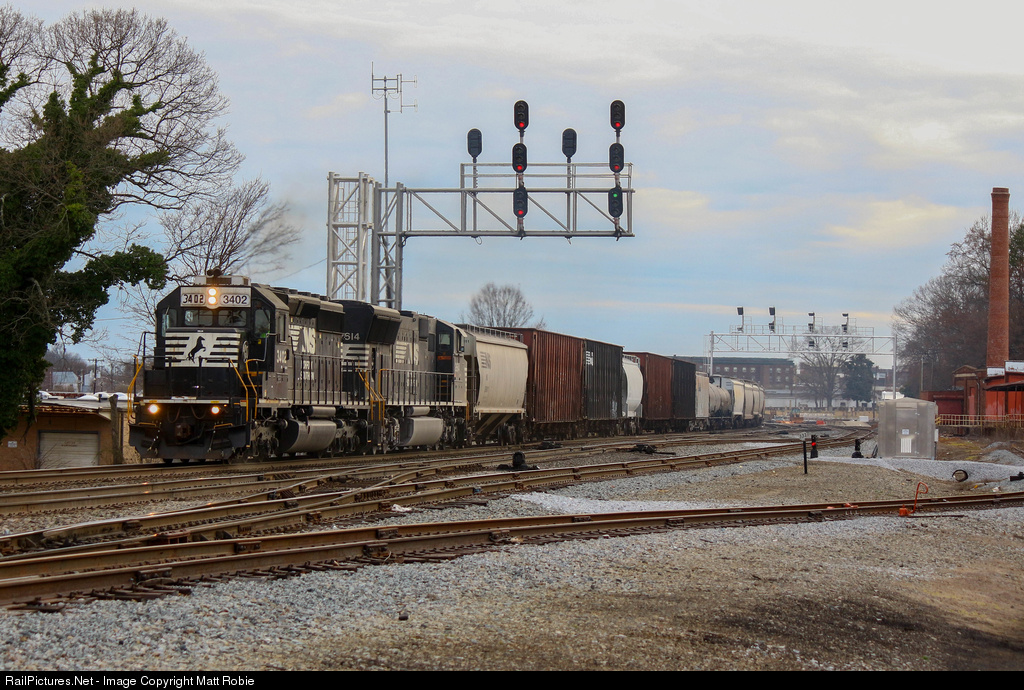
Here we see a modern Southern cantilever, but this time the bottom heads contain a full set of R-Y-G lights. The Southern uses a weak route form of signaling and while each head is not associated with any particular speed, the bottom head is typically associated with routes slower than those represented by the middle head.
Here at the busy junction in Folkston, GA we see a 3x3 CSX signal using the bottom head to indicate Medium Approach Medium as the 2-track branch to Waycross quickly shrinks to back to a single track one block length away from the junction. Don't let the photo fool you. That lower head is flashing green since under Seaboard rules R/Y/G is still Medium Approach Slow.
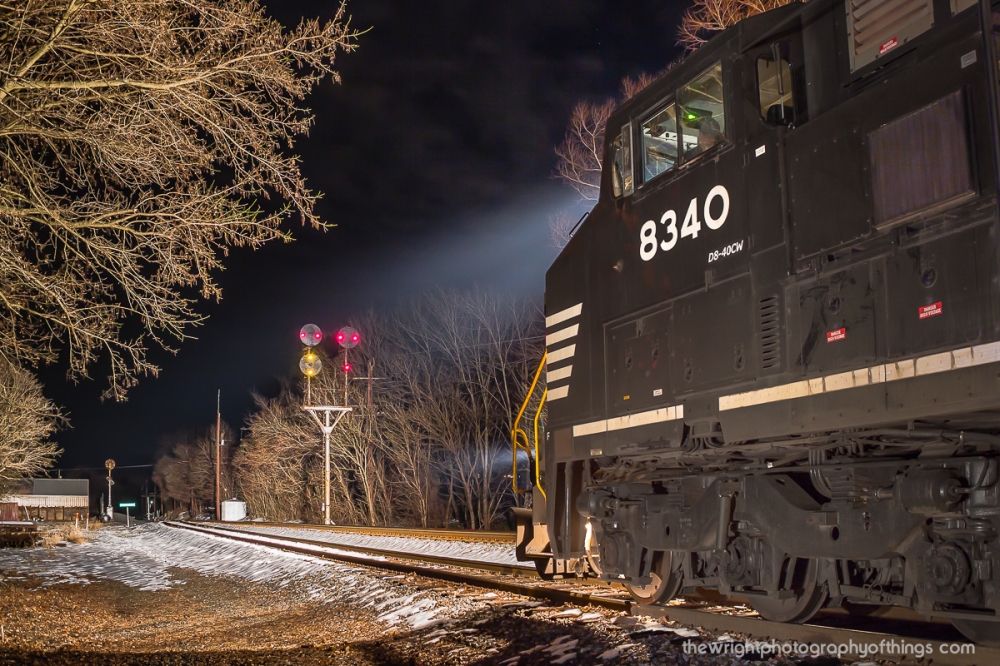
Switching slightly to one of CSX's throwback signaling systems we see a night shot of one of the surviving C&O signal bridges in the Russell, KY complex. Because of R/Y Restricting indications, Medium (or Diverging) Approach indications have often needed to be squeezed in to the aspect chart. Typically this is done with R/Y/R. There is also the less common NORAC approach with R/*Y*. The C&O however took a rather large leap off the reservation by using R/Y/Y for Medium Approach, as seen here.
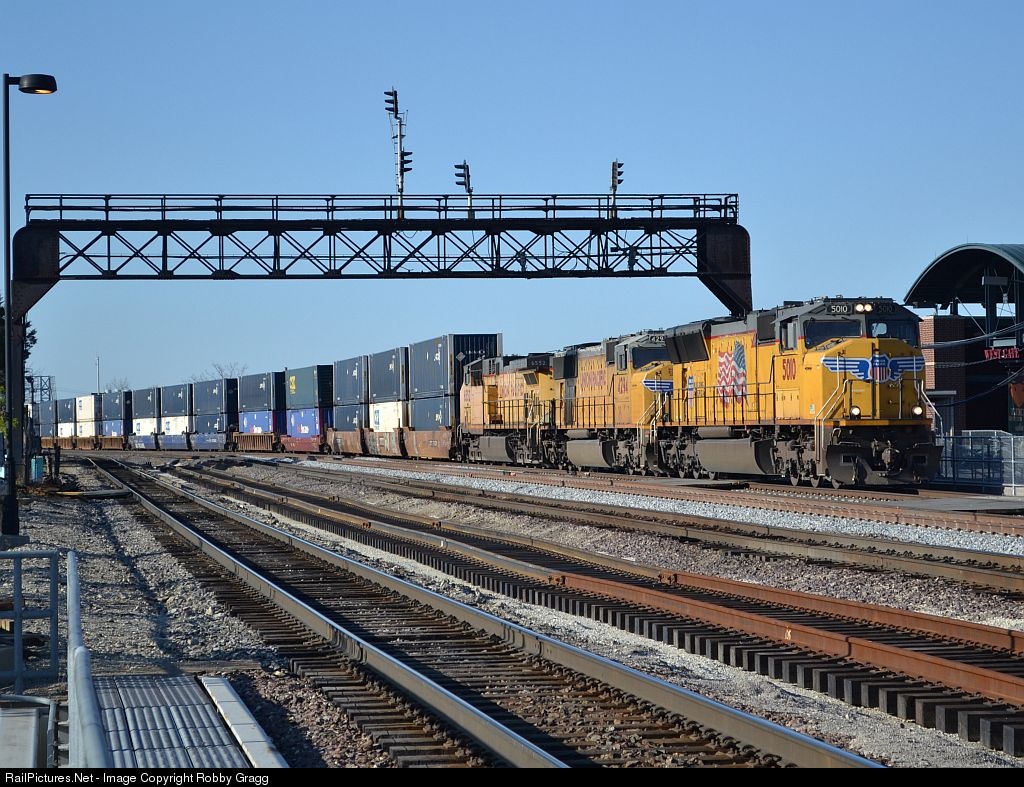
Here here we see a 1980's Southern style signal gantry in Chattanooga, TN. This one is notable because it features 4 great examples of the Southern's practice of "bottom yellow restricting". The two center heads are pretty straightforward with a yellow lamp on the bottom head that illuminates for Restricting movements into a yard. The two outer signals have a large gap representing a virtual middle signal head to save on costs. Here the UP #5480 is about to take a R/R/Y Restricting into the yard.
Here we see a modern Southern cantilever, but this time the bottom heads contain a full set of R-Y-G lights. The Southern uses a weak route form of signaling and while each head is not associated with any particular speed, the bottom head is typically associated with routes slower than those represented by the middle head.
Here at the busy junction in Folkston, GA we see a 3x3 CSX signal using the bottom head to indicate Medium Approach Medium as the 2-track branch to Waycross quickly shrinks to back to a single track one block length away from the junction. Don't let the photo fool you. That lower head is flashing green since under Seaboard rules R/Y/G is still Medium Approach Slow.
Switching slightly to one of CSX's throwback signaling systems we see a night shot of one of the surviving C&O signal bridges in the Russell, KY complex. Because of R/Y Restricting indications, Medium (or Diverging) Approach indications have often needed to be squeezed in to the aspect chart. Typically this is done with R/Y/R. There is also the less common NORAC approach with R/*Y*. The C&O however took a rather large leap off the reservation by using R/Y/Y for Medium Approach, as seen here.
Tuesday, March 24, 2015
F Tower to "Close", Times Square Tower to Move
So about a month ago I reported that CSX was studying closing the famed F Tower, in Fostoria, Ohio. Last week the word came down that the tower would be de-staffed at the end of the month (3/31/2015). Ironically the last straw may have been an incident where the operator got sick and needed a medical transport from the site. The IP dispatcher was able to take over F Tower's territory, but the resulting traffic jam took almost a day to clear. I say ironically because the result of the tower going down seemed to prove its worth.
Now I used the term "closed" in the opening because F Tower was resignaled years ago and as was demonstrated it can be controlled remotely at any time should the need arise. Until I hear that the tower has been torn down or gutted, I am going to assume that F has entered the same sort of zombie existence as HAROLD, still technically active, but only open on an as needed basis. I'm still somewhat optimistic as if the new arrangement proves unworkable CSX could always re-staff the position...or, more likely, NS could get so tied up that they kick in more money to fund the position. Either way this will show once and for all if local control provides any sort of value added in the 21st century.
Speaking of "as needed" towers, I got word that the NYC Subway has re-located the venerable Times Square Master Tower from its prominent position in the platform fishbowl to the new Times Square relay room. All of this is in conjunction with the <7> Line extension project which included a re-signaling of the old TSQ terminal. In its new location the TSQ operators will use the local control maintainers panel until this fall when the extension opens and they are moved to the 34th St interlocking relay room. At some point when the CTBC system goes on line primary control will pass to the Rail Control Center in midtown with auxiliary control at points TBD. 7>
The primary casualty of the relocation is TSQ Master Tower's 1953 vintage US&S 'UR' (Union Route) interlocking machine. The machine had remote control of crossovers at 1st Ave and Hunterspoint Ave. I am unsure how those will be controlled prior to the RCC takeover. The changeover was effective over the weekend of March 14th.
Now I used the term "closed" in the opening because F Tower was resignaled years ago and as was demonstrated it can be controlled remotely at any time should the need arise. Until I hear that the tower has been torn down or gutted, I am going to assume that F has entered the same sort of zombie existence as HAROLD, still technically active, but only open on an as needed basis. I'm still somewhat optimistic as if the new arrangement proves unworkable CSX could always re-staff the position...or, more likely, NS could get so tied up that they kick in more money to fund the position. Either way this will show once and for all if local control provides any sort of value added in the 21st century.
![]() |
| Like F, the tower is open, but nobody is home. |
The primary casualty of the relocation is TSQ Master Tower's 1953 vintage US&S 'UR' (Union Route) interlocking machine. The machine had remote control of crossovers at 1st Ave and Hunterspoint Ave. I am unsure how those will be controlled prior to the RCC takeover. The changeover was effective over the weekend of March 14th.
Wednesday, March 11, 2015
New Links!
Found a couple of signal related links I thought I'd share. The first is the website of a rail photographer you might recognize from railpictures.net, especially for his night shots of signals in the MD, VA, WV area. I think he has some print books out as well, but if you don't already have them you can enjoy a sample of his work here.
The second is more of an update since my old friend at www.redoveryellow.com has finally added some new content. Instead of more western fare the dedicated signal surveyor has posted photo sets from the Chicago area and from the PRR Main Line. Both sets date from the 2011 time frame so ALTO tower is still open.
Finally I am not sure how I forgot about this site. SimSig is a freemium model software application that simulates the Wescad type signaling software that has become standardized across the UK rail network. The simulation is top notch and it is the best way to learn about a rather different model of railway signaling then what is present in North America. The forums are also a good resource for UK signaling related information. While all of the "official" release simulations are for sale there are many free user contributed simulations as well so go and give it a try.
The second is more of an update since my old friend at www.redoveryellow.com has finally added some new content. Instead of more western fare the dedicated signal surveyor has posted photo sets from the Chicago area and from the PRR Main Line. Both sets date from the 2011 time frame so ALTO tower is still open.
Finally I am not sure how I forgot about this site. SimSig is a freemium model software application that simulates the Wescad type signaling software that has become standardized across the UK rail network. The simulation is top notch and it is the best way to learn about a rather different model of railway signaling then what is present in North America. The forums are also a good resource for UK signaling related information. While all of the "official" release simulations are for sale there are many free user contributed simulations as well so go and give it a try.
Subscribe to:
Posts (Atom)