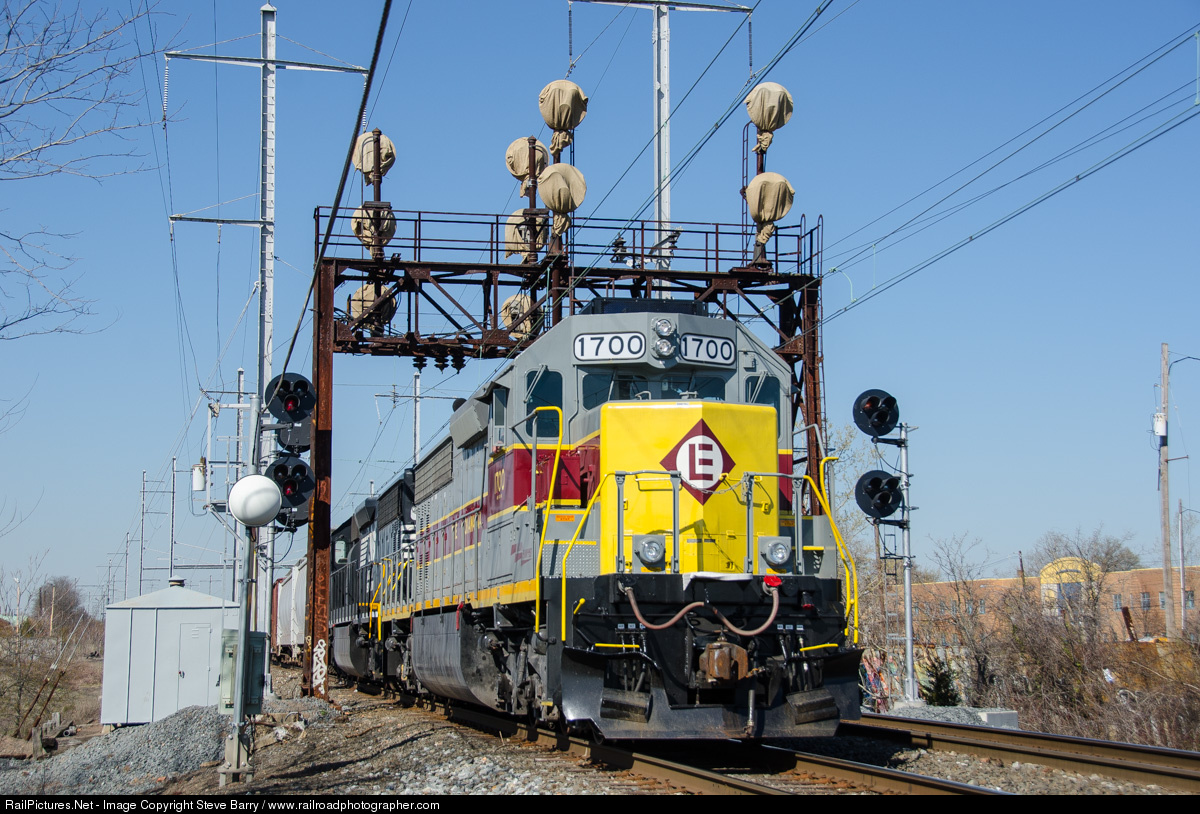
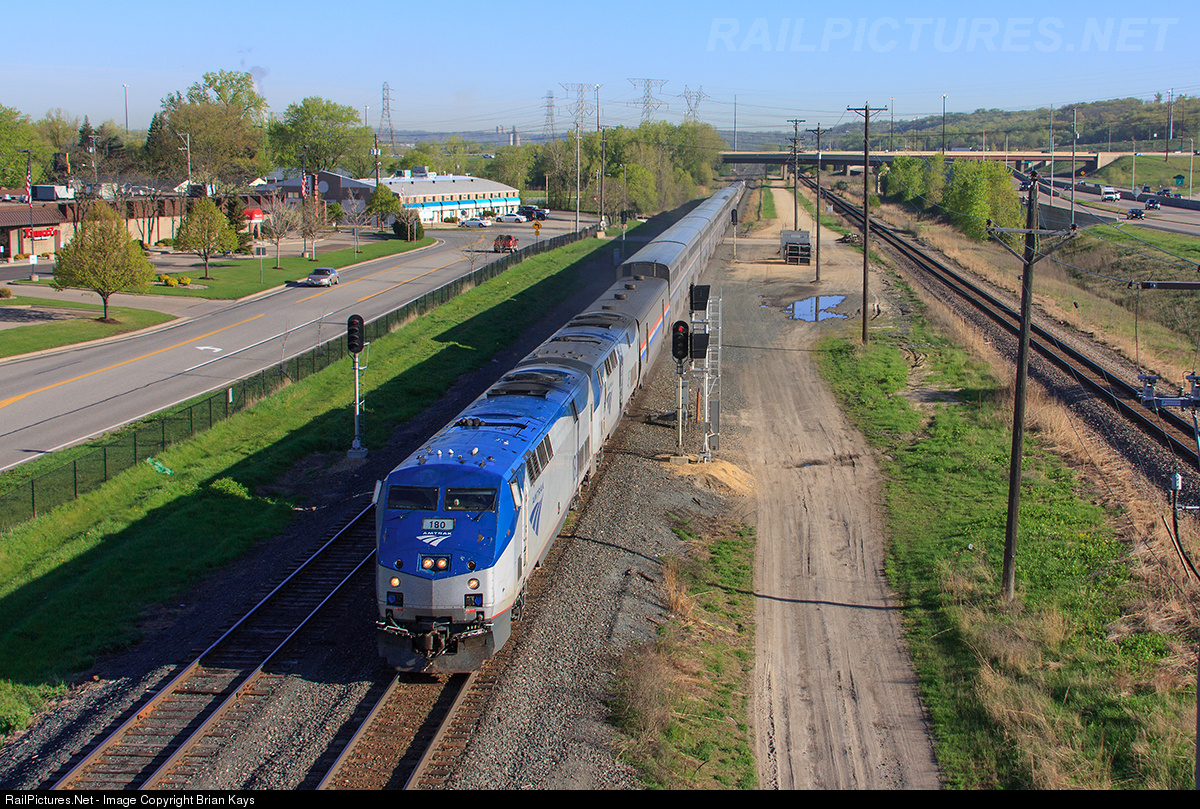
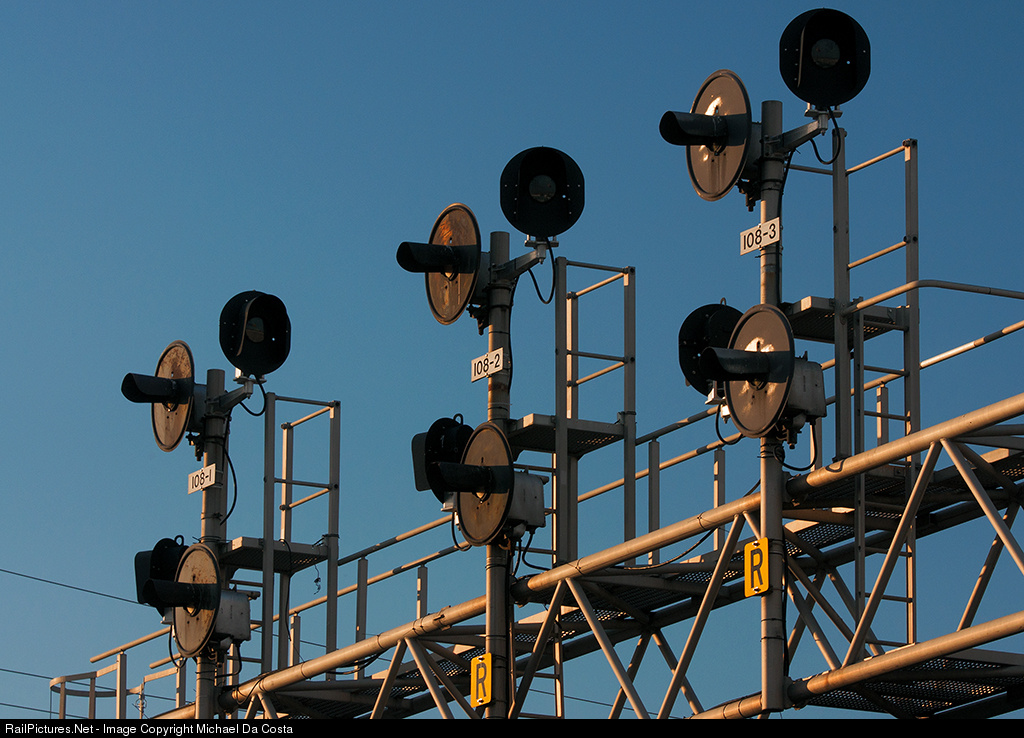
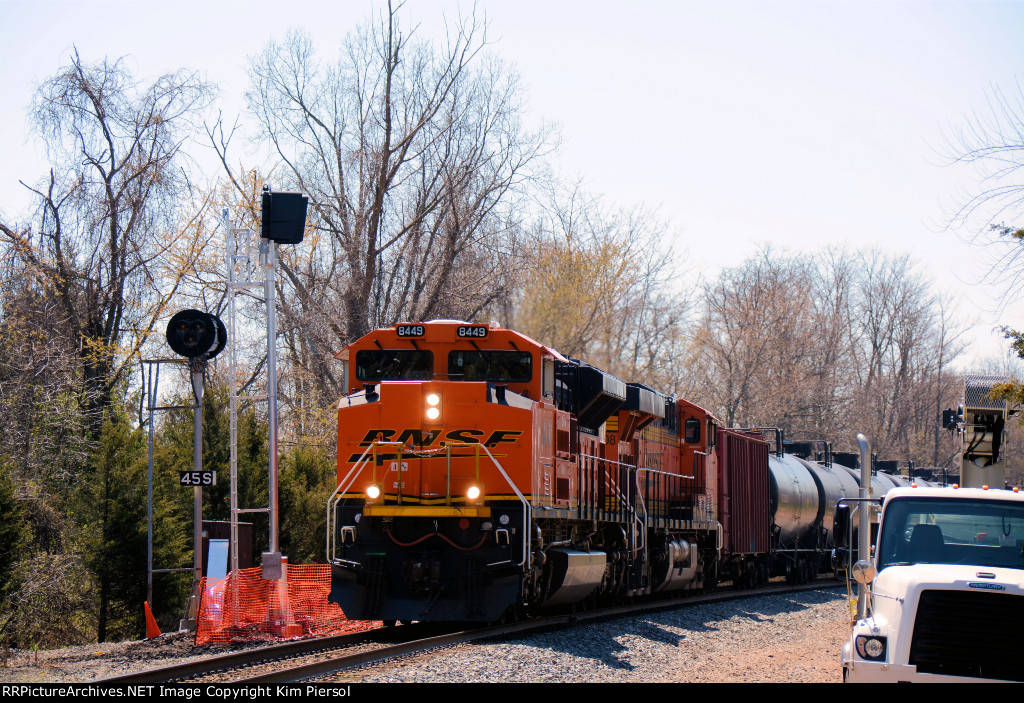
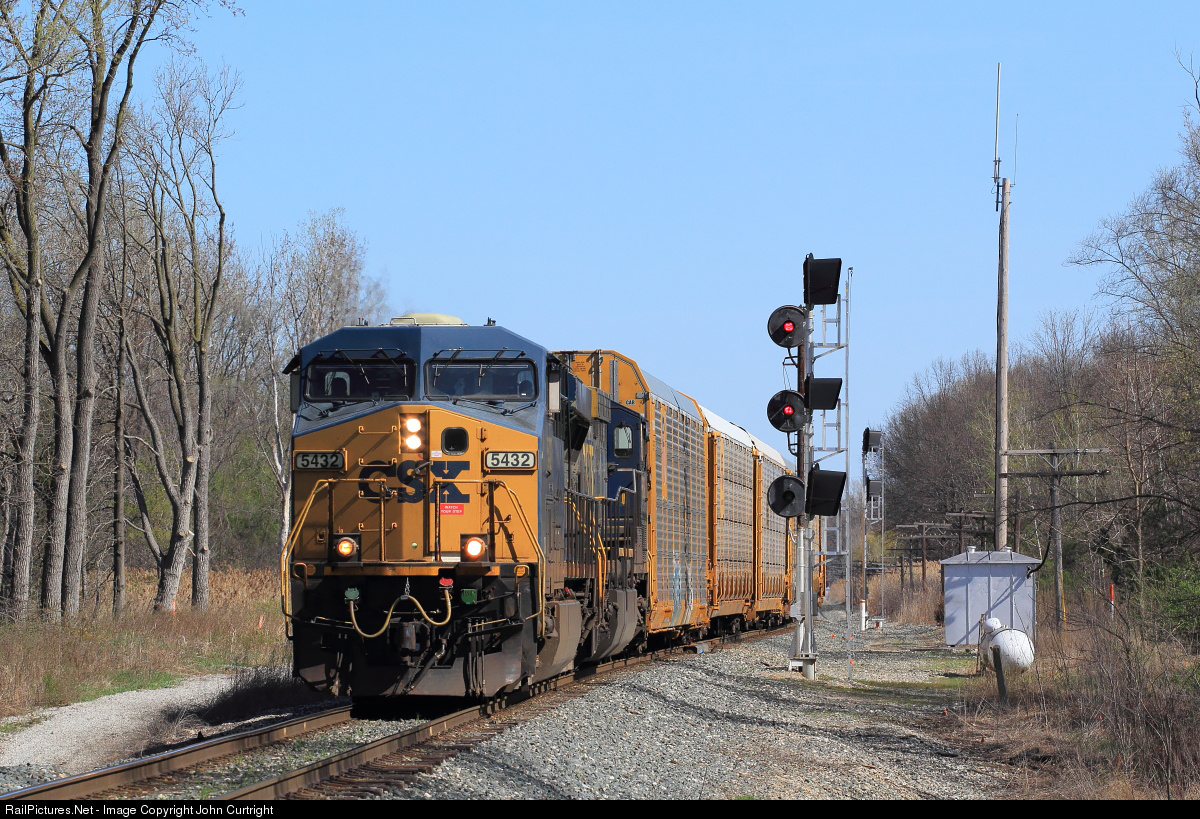
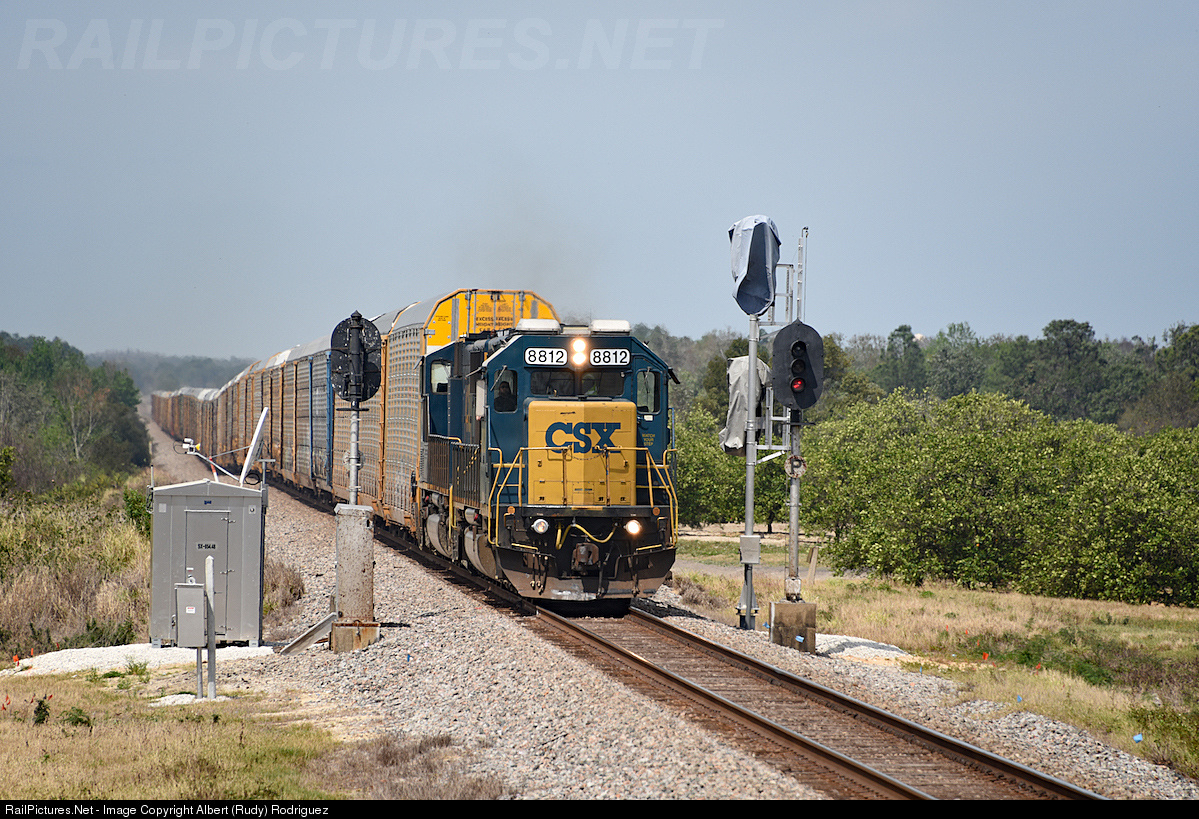
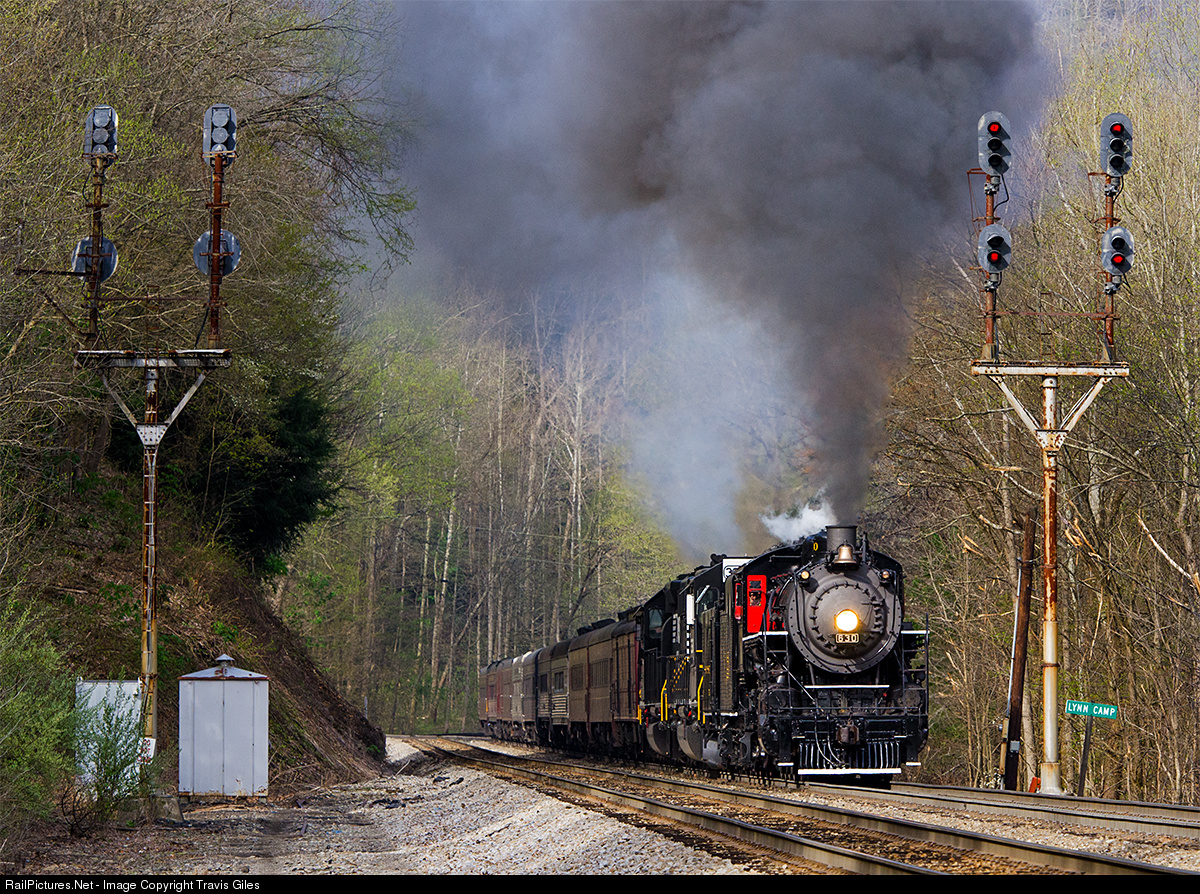
Sorry for th repetition, but as I explained in my 2015 Amtrak Cross-Country trip report, Dan Akroyd's private car was attached to the back of Amtrak's Sunset Limited ruining my efforts at surveying the route. This year I found significantly better luck and was even treated to a rare mileage detour outside of Houston. Also included in this report are various things I found in San Diego and the Pacific Surfliner route.
So I covered the San Diego Trolley's Green and Orange lines and to my delight I confirmed that the original Orange Line trunk was populated by US&S N3 Elephant Ear ABS signals
On the Surfliner route the ATS is still in service, but more and more of the target signals are being replaced with traffic lights as improvements are made to the line (new sidings, crossovers, etc).
At LAUPT, the Safetrain UniLens signals have been phased out. The two-head variety have been replaced with LED searchlights of the type seen at Chicago and Albany and most single head ones being retrofitted with a single red LED light that can display Stop and *R* Restricting.
On the Sunset route SP target color lights are still in place on areas that have not been upgraded, so that means the new double track main line in New Mexico is largely devoid of them. Also, there is a surviving SP cantilever mast with modern signals located just east of Tuscon.
I was looking forward to taking some better photos of TOWER 169 in El Paso, but to my dismay I discovered that it had been demolished :-(
The detour involved traveling down the BNSF Galveston Sub to Alvin and unfortunately the 80's vintage searchlights were undergoing replacement. Heading back into Houston on the Houston West Belt Sub there were a number of NYC style G-heads north of the yard complexes.
The searchlights and oddball signals were still in service in the Beaumont area.
And the searchlights were still in place at the Drawbridge and diamond in Lake St. Charles.
Finally East and West Bridge Jct towers are still hard at work talking trains over the Huey C. Long Bridge,
A blog devoted to explaining the ins and outs of North American railroad signaling, past, present and future. This blog seeks to preserve through photo documentation the great diversity and technical ingenuity of 20th century signaling and interlocking hardware and technology. Related topics cover interlocking towers and railroad communications infrastructure.
Note, due to a web hosting failure some of the photos and links may be unavailable.
Search This Blog
Monday, June 20, 2016
Monday, June 13, 2016
Waste, Waste, Waste
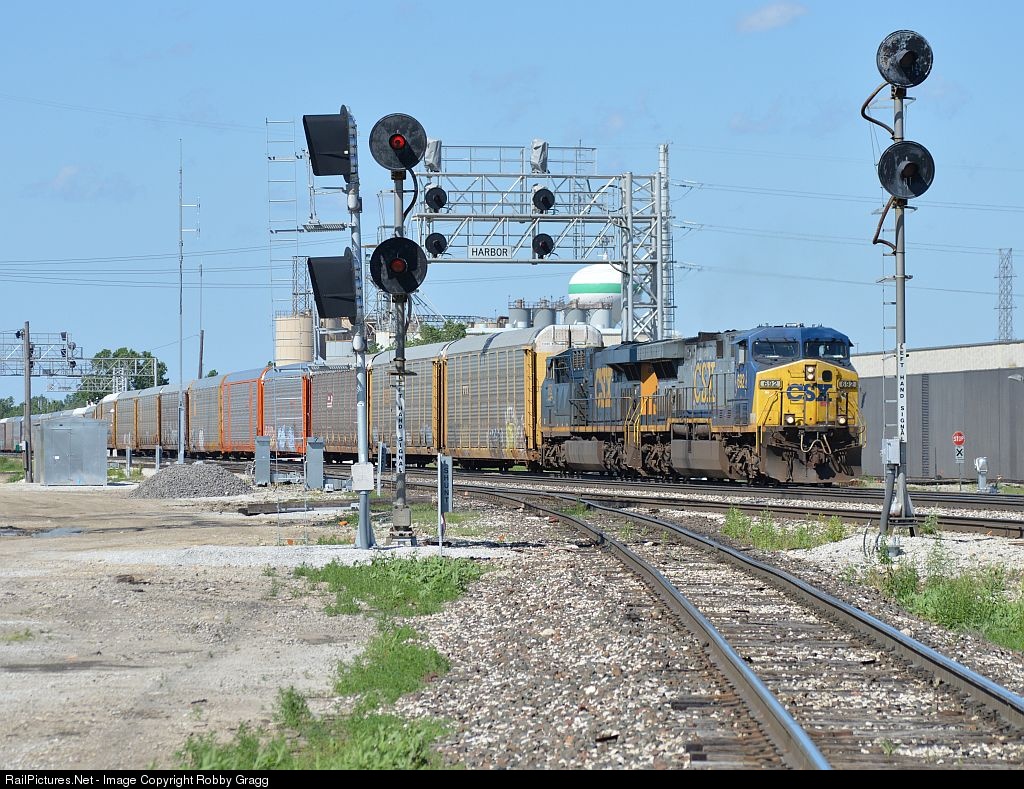
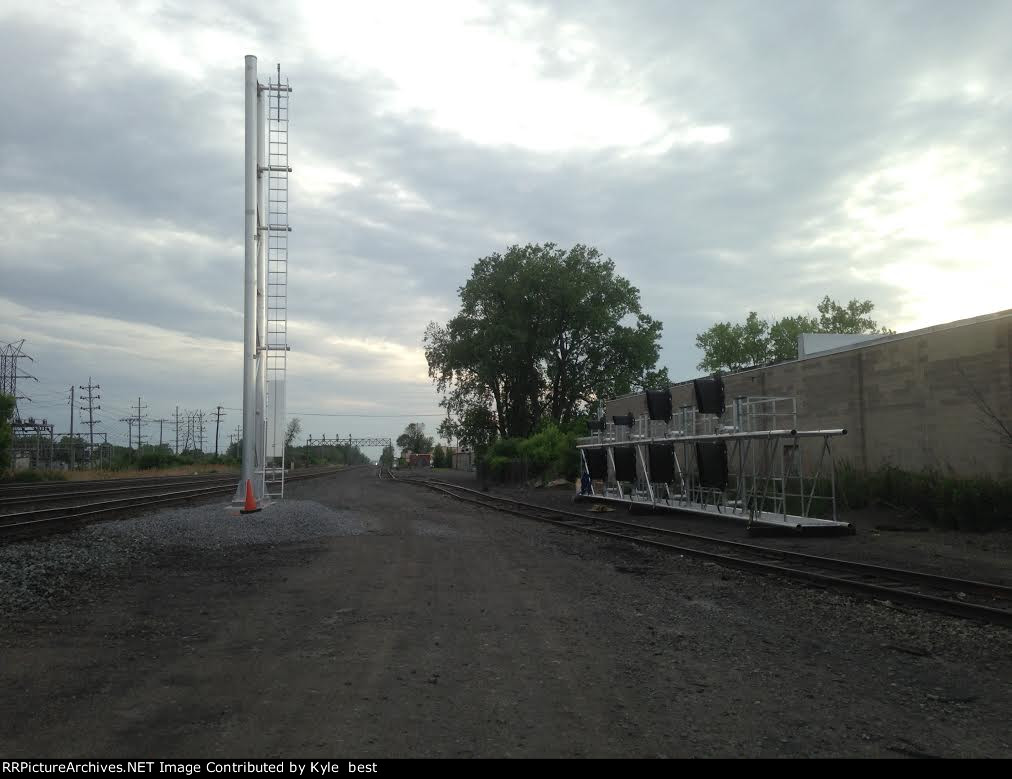
Quick news segment here today. As always most of it is bad. First up is the fate of the former ATSF HARBOR interlocking on the outskirts of Chicago. Similar to the San Bernardino Sub, this interlocking was re-signaled in the late 1980's or early 90's with modern style cantilevers combined with searchlight signals. Unfortunately BNSF is on a tear and the one interlocking I figured would survive into the future has replacement signals in place.
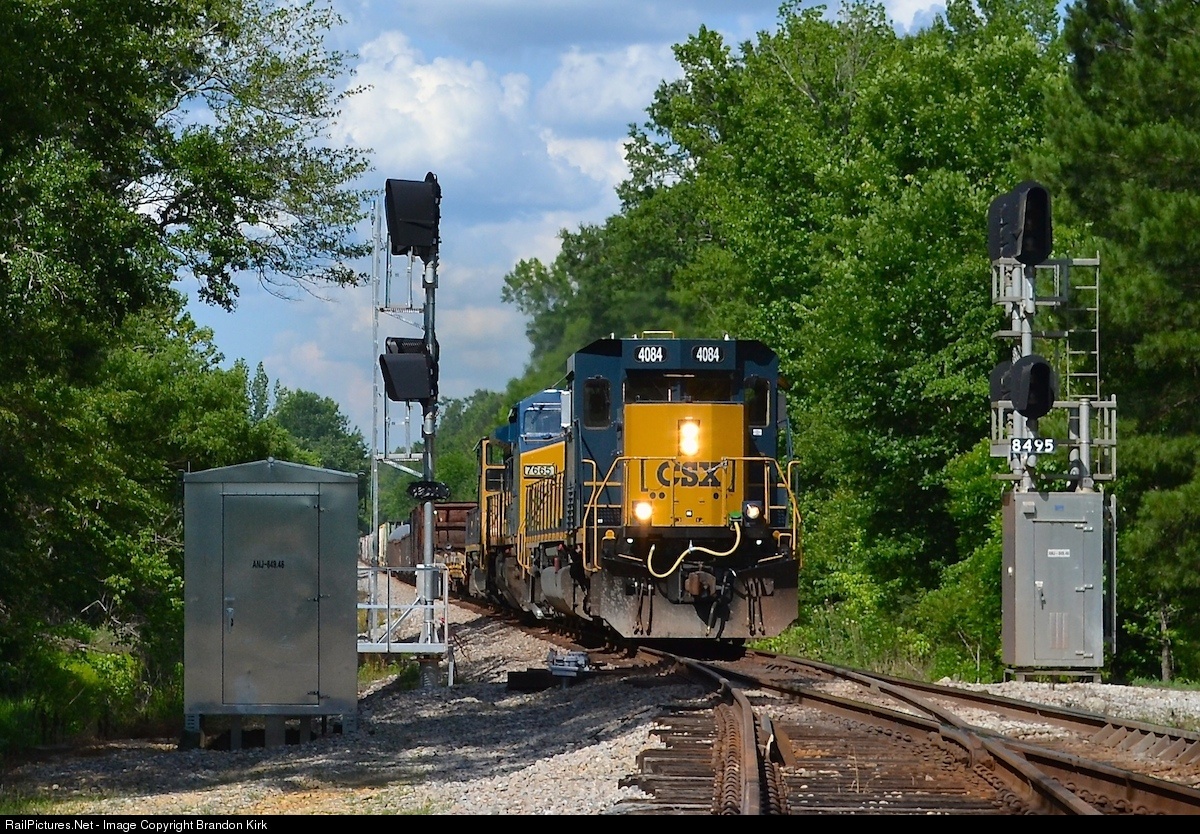
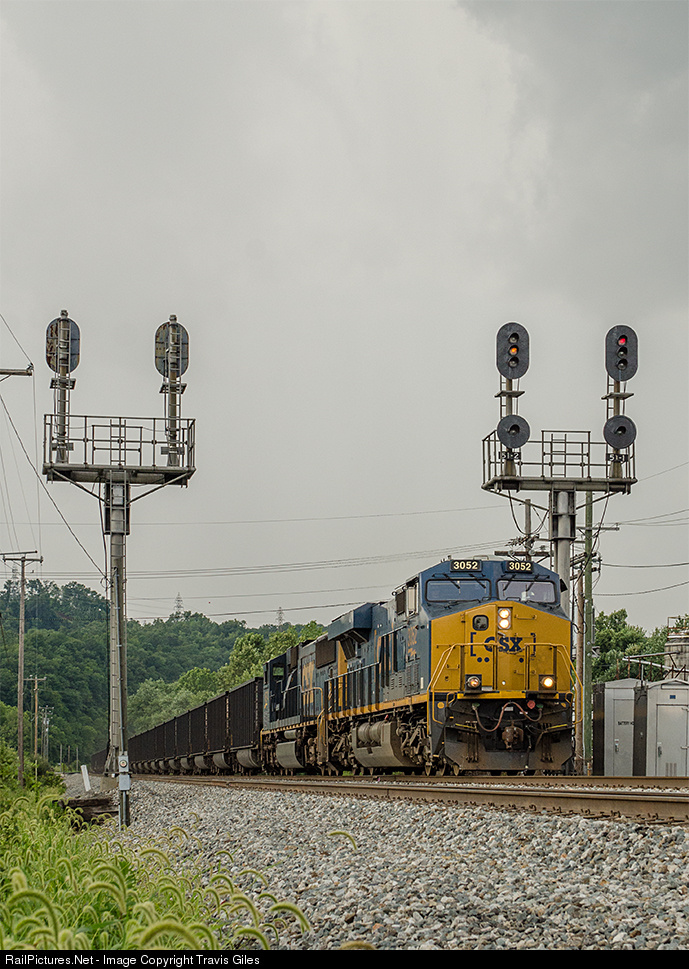
If anything highlights the prevailing throwaway culture it is this pic on the CSX Lineville Sub where a new casr-in-base Darth Vader is being replaced by a pure mast Darth Vader. While I consider that a step up just more evidence that someone is forgetting the old Reduce, Reuse, Recycle.
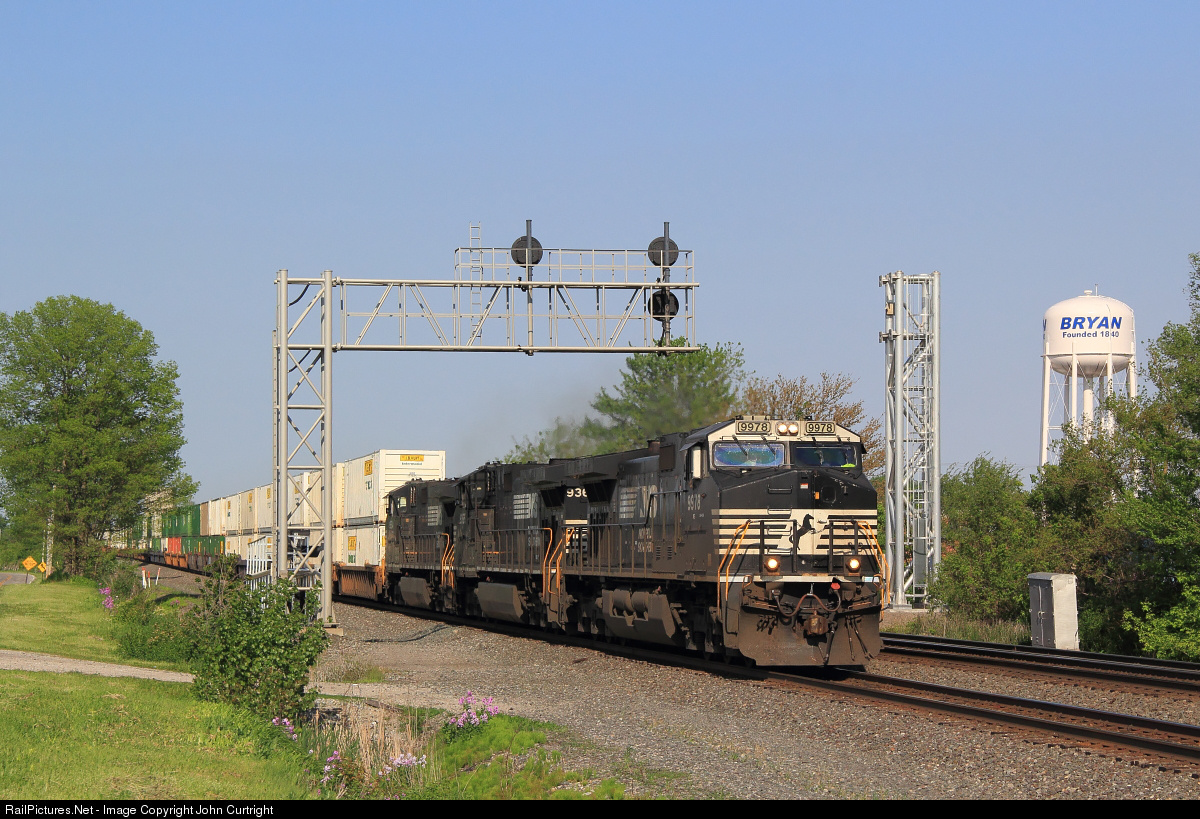
NS is getting in on the party be replacing some 90's vintage Conrail signals on the Chicago near Bryan, OH.
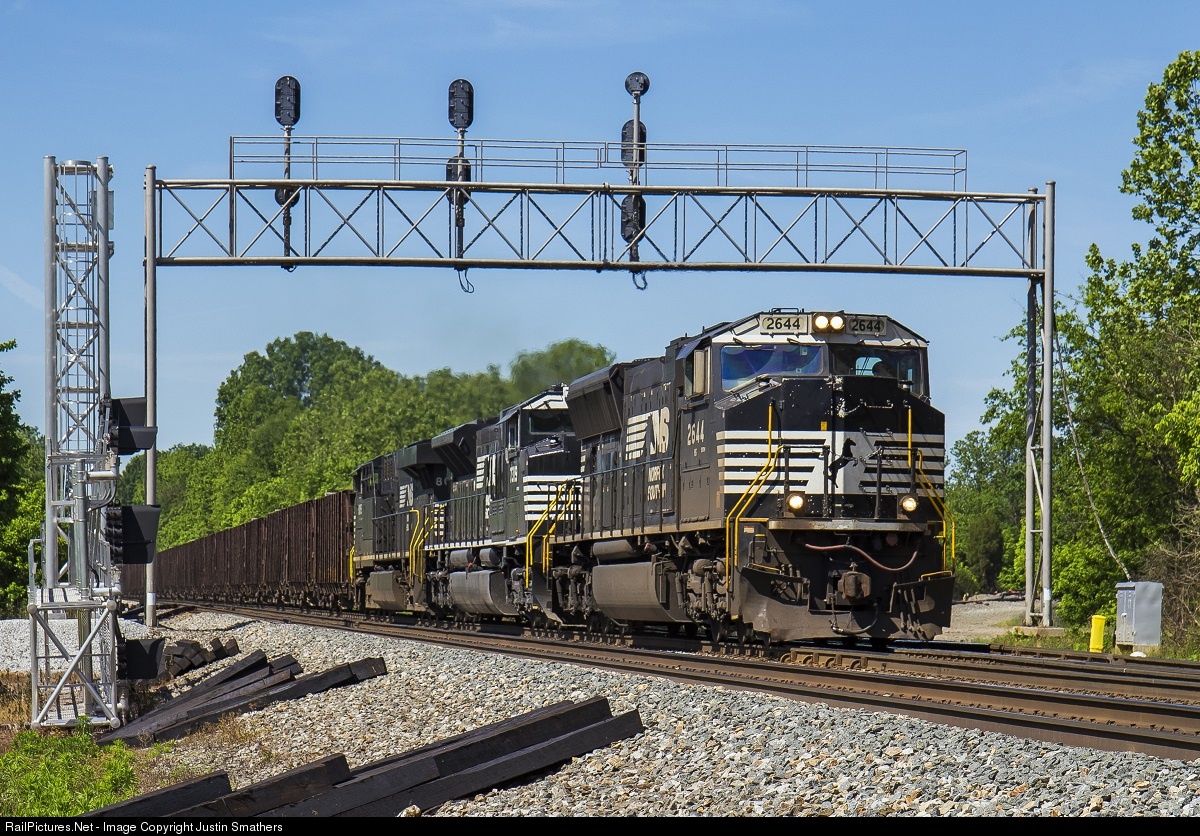
And these modern style ex-Southern signals in NC. They aren't even re-using the as-new aluminum gantry.
Modern Conrail signals are also biting the dust on the CSX Indy Line in Marion, OH.
Not to worry...there are still a few classic items that can still be replaced like the old NYC searchlights at CP-429 in Depew, NY.
Going on a cross country Amtrak this week. Worried about PV blocking the rear window, but even if there is I won't miss much as nearly the entire sunset route has been scrubbed clean.
Tuesday, June 7, 2016
Better Know a Signaling System: B&O Color Position Lights
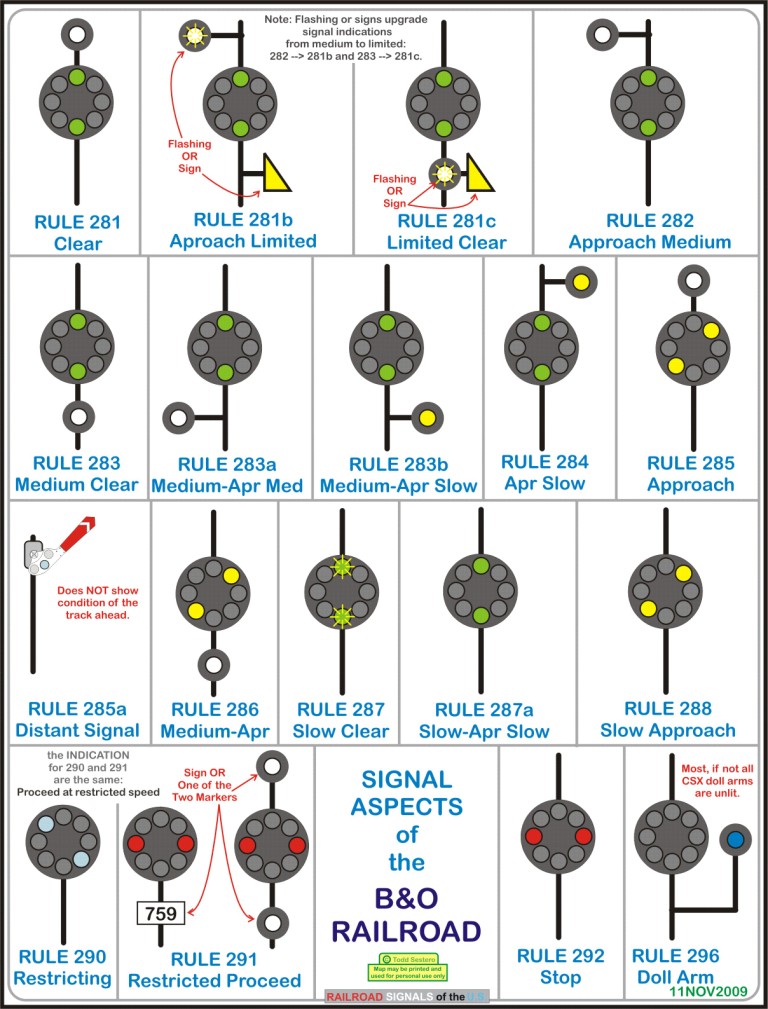
Ah, here's the one I know you've been waiting for. What is arguably the most unique and most advanced signal indication system in the united states and arguably one of the best in the world. Why is this the case? First, it was designed from scratch in the 1920's, after the advent of high intensity electric lighting and also after most other railroads had adopted some sort of color light or position light system, allowing the B&O to learn from their example. Second, it had the strongest theoretical underpinnings of any other signaling system. Another misconception is that the B&O CPL is in the same family as Amtrak's or N&W's colorized position lights. In fact the B&O is a class by itself as in those other systems position has a one to one mapping to color while the B&O uses the position of marker lights called "orbitals" to modify the central color-position target.
There are so many neat features about the B&O system that I hardly know where to begin so I might as well just list those that come to mind.
We start with the central target. This is divided into 4 possible color-positions, Red ---, Yellow /, Green | and Lunar \. If there are two signals to a stop, Green is displayed.
If there is one signal to a stop, Yellow is displayed
Lunar is the same as Red, but is used for yards and non-signaled track. That's all there is to the central target, no exceptions.
Next come the marker lights, also known as orbitals, located around the central target and displaying a plain white or amber color. The six possible orbitals are referred to in their clockface position, 2 o'clock, 4 o'clock, 6 o'clock, 8 o'clock, 10 o'clock and 12 o'clock. You can also use 12, 1, 5, 6, 7, and 11. These modify the central target that provides block information with speed information. Again, I am going to throw out another list here.
Even here there are regular patterns with the upper orbitals indicating Normal speed at the signal and the lower ones indicating Medium speed. Slow speed at the signal lacked any lit orbital.
Of course nothing starts out perfect and the B&O CPL system did have two minor tweaks. The first is that the "to slow" 2 and 4 o'clock orbitals were changed from a white lamp to an amber lamp for increased salience as a crew could easily forget which side meant which speed instruction.
The other rules patch was to cover up perhaps the only flaw that was built into the system. Initially, Green | without any orbitals indicated Slow Clear, but in the 1960's this was changed to Slow Approach Slow since a bulb out on either the 10 or 2 o'clock could accidentally upgrade an Approach Medium or Approach Slow to Slow Clear. The role of Slow Clear was then replaced by a flashing Green | with no orbitals lit.
Like the PRR and Amtrak, the B&O had an on again/off again relationship with using marker lights for Stop and Proceed indications. Most times the 12 o'clock orbital would be lit, but the presence of a number plate made it technically unnecessary. The one time this distinction had a difference was on CTC territory where signals set against the flow of traffic would not illuminate the orbital, despite the fact a number plate still authorized movement. This makes me wonder if at some point the orbitals were indeed required to be lit for Stop and Proceed reducing reverse direction automatics to absolute Stop.
The final change to the B&O CPL system was the addition of limited speed triangles / flashing 10 and 6 o'clock orbitals for limited speed turnouts in a manner similar to the PRR.
If the ICC had ever mandated railroads adopt a national signaling system I suspect it would have been this one simply because it solves some many of the "problems" pointed out with North American pattern signal rules such as using Red as a placeholder and using different signals on dwarfs and masts. The B&O CPL was installed new as a matter of policy on CSX up through the early 1990's on former B&O territory, but alas the signal bulb maintainer's union was broken and the dreaded Darth Vaders have been spreading ever since. If you happen to be in a position to catch one of these signals in action make sure you do because they are disappearing quickly.
There are so many neat features about the B&O system that I hardly know where to begin so I might as well just list those that come to mind.
- B&O CPLs use the same signal aspects on dwarf and high signals.
- A B&O CPL will only display the color red when the block ahead is potentially obstructed.
- The B&O CPL system is fail safe in terms of bulb out conditions.
- B&O CPL high signals use larger lamps than other position light systems.
We start with the central target. This is divided into 4 possible color-positions, Red ---, Yellow /, Green | and Lunar \. If there are two signals to a stop, Green is displayed.
If there is one signal to a stop, Yellow is displayed
And if the block ahead is obstructed then Red is displayed.
Lunar is the same as Red, but is used for yards and non-signaled track. That's all there is to the central target, no exceptions.
Next come the marker lights, also known as orbitals, located around the central target and displaying a plain white or amber color. The six possible orbitals are referred to in their clockface position, 2 o'clock, 4 o'clock, 6 o'clock, 8 o'clock, 10 o'clock and 12 o'clock. You can also use 12, 1, 5, 6, 7, and 11. These modify the central target that provides block information with speed information. Again, I am going to throw out another list here.
- 12 o'clock - Normal to Normal
- 2 o'clock - Normal to Slow
- 10 o'clock - Normal to Medium
- 4 o'clock - Medium to Slow
- 6 o'clock - Medium to Normal
- 8 o'clock - Medium to Medium
- None - Slow to Slow
Even here there are regular patterns with the upper orbitals indicating Normal speed at the signal and the lower ones indicating Medium speed. Slow speed at the signal lacked any lit orbital.
![]() |
| Approach Slow at HB Tower |
![]() |
| Medium Approach Slow at BAILEY |
Of course nothing starts out perfect and the B&O CPL system did have two minor tweaks. The first is that the "to slow" 2 and 4 o'clock orbitals were changed from a white lamp to an amber lamp for increased salience as a crew could easily forget which side meant which speed instruction.
![]() |
| Slow Approach Slow actually serving as such at BAILEY |
The other rules patch was to cover up perhaps the only flaw that was built into the system. Initially, Green | without any orbitals indicated Slow Clear, but in the 1960's this was changed to Slow Approach Slow since a bulb out on either the 10 or 2 o'clock could accidentally upgrade an Approach Medium or Approach Slow to Slow Clear. The role of Slow Clear was then replaced by a flashing Green | with no orbitals lit.
![]() |
| Lit orbital with the direction of traffic |
![]() |
| Dark orbital against the flow of traffic |
Like the PRR and Amtrak, the B&O had an on again/off again relationship with using marker lights for Stop and Proceed indications. Most times the 12 o'clock orbital would be lit, but the presence of a number plate made it technically unnecessary. The one time this distinction had a difference was on CTC territory where signals set against the flow of traffic would not illuminate the orbital, despite the fact a number plate still authorized movement. This makes me wonder if at some point the orbitals were indeed required to be lit for Stop and Proceed reducing reverse direction automatics to absolute Stop.
![]() |
| Just pretend its flashing |
The final change to the B&O CPL system was the addition of limited speed triangles / flashing 10 and 6 o'clock orbitals for limited speed turnouts in a manner similar to the PRR.
If the ICC had ever mandated railroads adopt a national signaling system I suspect it would have been this one simply because it solves some many of the "problems" pointed out with North American pattern signal rules such as using Red as a placeholder and using different signals on dwarfs and masts. The B&O CPL was installed new as a matter of policy on CSX up through the early 1990's on former B&O territory, but alas the signal bulb maintainer's union was broken and the dreaded Darth Vaders have been spreading ever since. If you happen to be in a position to catch one of these signals in action make sure you do because they are disappearing quickly.
Tuesday, May 31, 2016
PTC Updates
Because Amtrak had enabled the ACSES PTC system for all of its trains operating on the NEC and Harrisburg line and SEPTA is running its ACSES implementation on the Warminster I figured I'd provide some updates. I was also spurred on by getting some good photos of the new cab display units for both Amtrak and SEPTA and a conversation I had with a member of the PTC implementation team for LIRR and MNRR.
Now this was sort of covered in my post on knowing your cab signal displays, but this image has a bit more detail. First thing I notice is that this very similar in appearance to the ITCS CDU used out on the Michigan Line, except there is the upper portion displaying the cab signal indication. Below that is a single Max Authorized Speed readout, which I assume displays whatever is lower between the cab signal and ACSES, but I can't be sure about that. Below that is a time to penalty countdown display. There is a bit of debate about how the PTC displays should warm the engineer that a penalty is about to occur and it appears that Amtrak has opted for TTP both with ITCS and ACSES. Again, not sure if it also counts down to a cab signal related penalty. Next to the TTP display there is an indication for the ACSES enforced Clear to Next Interlocking signal that is still needed in case of cab signal failure and there is also a warning about invalid TSR data for when data radios are having problems. Next we see the various cut-in/cut-out and error lights and finally we see a message display that might not be used yet as the rulebook makes no mention of ACSES messages like it does ITCS messages.
The new SEPTA CDU again begins with a cab signal section with a pair of multi-color LED lamps to display the signal. As we can see here SEPTA chose R/Y instead of R/L for Restricting. Below that we see the same MAS display, which I have to assume switches between ATC and PTC (whichever is lower) as indicated by the adjacent lamps. Below that is the cab speedometer showing the train's actual speed. Instead of a TTP countdown, only an overspeed lamp is provided. Not sure what the criteria for avoiding a penalty is. Below that things become familiar again with cut-in/cut-out and error lights followed by a message display. At the bottom is a key switch for conducting ATC and PTC tests.
Regarding performance issues I have learned that it is possible to set the PTC enforced speeds higher than what appears in the timetable if the timetable speeds are based on passenger comfort, wear and tear, etc. This would allow the engineer additional wiggle room without risking any sort of derailment. However since all the CDU's show MAS and not some enforcement speed it would be difficult to implement this without causing confusion. The system would need to be changed to that the system was aware of both a timetable speed to display and an enforcement speed at which a penalty application would be initiated.
The biggest problem is the the lack of precision in the position stop function. Currently a train may be stopped up to 100 feet + 10% of the distance since the last transponder. This can extend up to 1000 feet from a stop signal and is most acutely felt when trains are attempting to make station stops where a stop signal is at the end of the platform. Previously Amtrak allowed for use of the stop release button to allow trains to platform properly, but this is no longer the case. commuter railroads will be most effected and although placement of additional transponders can help, the 100 foot buffer will still cause shortfalls. Apparently the system has to allow for an engineer pegging the controller right up against a stop signal which could move the train past before the brakes could stop it. Of course a proper risk assessment would label the risk of such an event as fanciful, but I don't think anyone is conducting proper risk assessments here.
The one silver lining is that the positive stop point does not have to be at the Stop signal, but at the fouling point of the first switch, which can restore some semblance of normalcy. The best solution would be to allow some sort of virtual swinging overlap that can dynamically change the positive stop target based on other lined routes through the interlocking.
Anyway that's all I have for now. Let's hope that if the operational impact is significant enough some more modifications will be added. It will also be interesting to see how flexible the freight railroads are.
Now this was sort of covered in my post on knowing your cab signal displays, but this image has a bit more detail. First thing I notice is that this very similar in appearance to the ITCS CDU used out on the Michigan Line, except there is the upper portion displaying the cab signal indication. Below that is a single Max Authorized Speed readout, which I assume displays whatever is lower between the cab signal and ACSES, but I can't be sure about that. Below that is a time to penalty countdown display. There is a bit of debate about how the PTC displays should warm the engineer that a penalty is about to occur and it appears that Amtrak has opted for TTP both with ITCS and ACSES. Again, not sure if it also counts down to a cab signal related penalty. Next to the TTP display there is an indication for the ACSES enforced Clear to Next Interlocking signal that is still needed in case of cab signal failure and there is also a warning about invalid TSR data for when data radios are having problems. Next we see the various cut-in/cut-out and error lights and finally we see a message display that might not be used yet as the rulebook makes no mention of ACSES messages like it does ITCS messages.
The new SEPTA CDU again begins with a cab signal section with a pair of multi-color LED lamps to display the signal. As we can see here SEPTA chose R/Y instead of R/L for Restricting. Below that we see the same MAS display, which I have to assume switches between ATC and PTC (whichever is lower) as indicated by the adjacent lamps. Below that is the cab speedometer showing the train's actual speed. Instead of a TTP countdown, only an overspeed lamp is provided. Not sure what the criteria for avoiding a penalty is. Below that things become familiar again with cut-in/cut-out and error lights followed by a message display. At the bottom is a key switch for conducting ATC and PTC tests.
Regarding performance issues I have learned that it is possible to set the PTC enforced speeds higher than what appears in the timetable if the timetable speeds are based on passenger comfort, wear and tear, etc. This would allow the engineer additional wiggle room without risking any sort of derailment. However since all the CDU's show MAS and not some enforcement speed it would be difficult to implement this without causing confusion. The system would need to be changed to that the system was aware of both a timetable speed to display and an enforcement speed at which a penalty application would be initiated.
The biggest problem is the the lack of precision in the position stop function. Currently a train may be stopped up to 100 feet + 10% of the distance since the last transponder. This can extend up to 1000 feet from a stop signal and is most acutely felt when trains are attempting to make station stops where a stop signal is at the end of the platform. Previously Amtrak allowed for use of the stop release button to allow trains to platform properly, but this is no longer the case. commuter railroads will be most effected and although placement of additional transponders can help, the 100 foot buffer will still cause shortfalls. Apparently the system has to allow for an engineer pegging the controller right up against a stop signal which could move the train past before the brakes could stop it. Of course a proper risk assessment would label the risk of such an event as fanciful, but I don't think anyone is conducting proper risk assessments here.
The one silver lining is that the positive stop point does not have to be at the Stop signal, but at the fouling point of the first switch, which can restore some semblance of normalcy. The best solution would be to allow some sort of virtual swinging overlap that can dynamically change the positive stop target based on other lined routes through the interlocking.
Anyway that's all I have for now. Let's hope that if the operational impact is significant enough some more modifications will be added. It will also be interesting to see how flexible the freight railroads are.
Wednesday, May 25, 2016
Fairwell Fairfield Cantilever
Well it's not down yet, but the on again/off again replacement of B&O CPLs between Cincinatti and Hamilton, OH is on again as evidence of new signal structures are in place. That this signal lasted so long is somewhat of a surprise as a more modern adjacent CPL location was replaced some years ago. I recommend that anyone in the area make a pilgrimage and capture it before it is gone. The signal is not only interesting as a B&O CPL cantilever, but also because all 4 signals have a 10 o'clock orbital.
Thursday, May 19, 2016
Bracketology
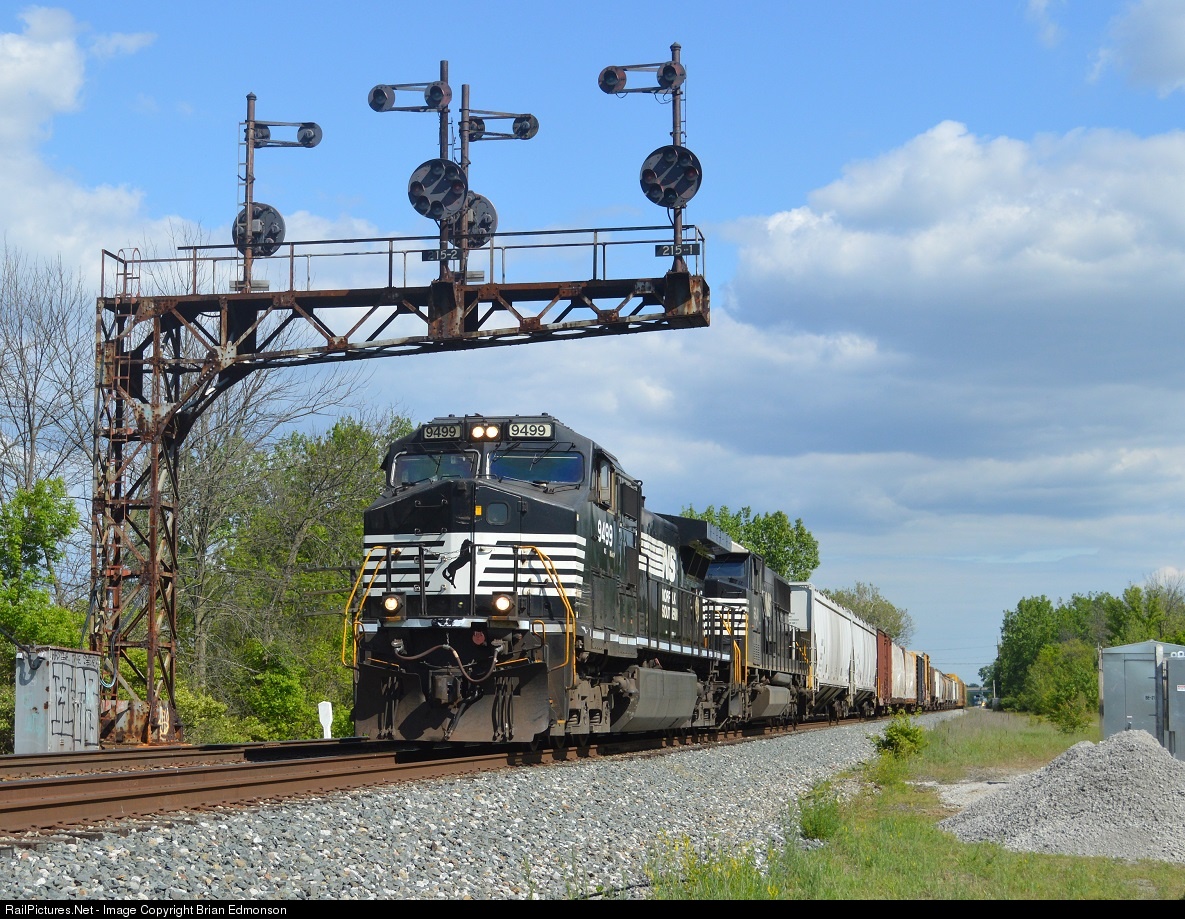
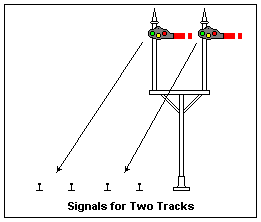
The bracket mast is another one of those signaling items that appear in North America, but few other places. While similar to the British style junction signal with multiple signals applying to a single track to indicate route, the multiple signals on a North American bracket mast each refer to a different track.
What drove the use of bracket signals in North America was the combination of needing right handed placement due to the limited view ahead from steam locomotives, the need to accommodate multiple tracks in the same direction and the desire to save money. To put it more simply, when the PRR needed to install new signals on a 4-track main line back in the 1870's it could either build costly signal bridges or put up one single bracket signal that could apply to both tracks. It would have another resurgence with the advent of CTC where once again adjacent tracks could have traffic moving in the same direction.
The bracket mast's downfall was due to a number of reasons, The ICC relaxed the rule on left mounted signals, railroads reduced the number of 3+ track main lines and double stack trains required bracket type signals to be mounted even higher so that they could still be sighted over 20 feet of containers. I just wanted to take the time to go over some of the basic types of bracket mast and the context in which they appear.
The earliest (steel) bracket masts used lattice steel uprights like this one seen at BRYN MAWR interlocking on the PRR Main Line. It is worth pointing out that brackets are often utilized as glorified masts when only one signal is fitted.
The most common type of bracket mast is what I like to call the Y style due to the large central support and twin arms that hold up the individual signal masts.
Brackets are known for their generous platforms that support the C&S workers below each signal head.
Y brackets can be upgraded with new signals such as these 1980's vintage US&S modular traffic lights.
The square bracket was made by US&S and was only seen on a few railroads such as the Reading. It featured signal supports with two horizontal connections to the central mast. Above we see an older lattice version and a newer steel pipe version.
The Nickel Plate used a variation of the square bracket that featured square signal supports that extended below the platform, however as you can see it is still a modified Y bracket.
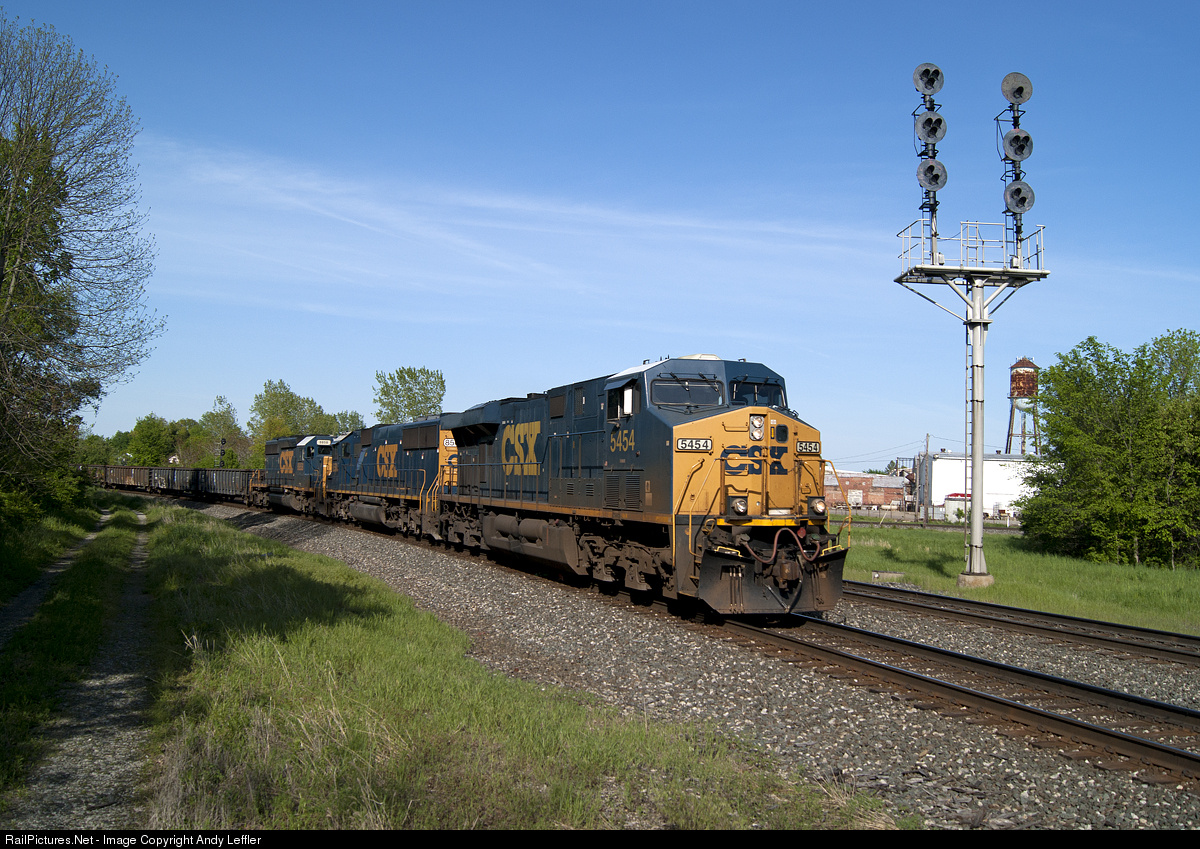
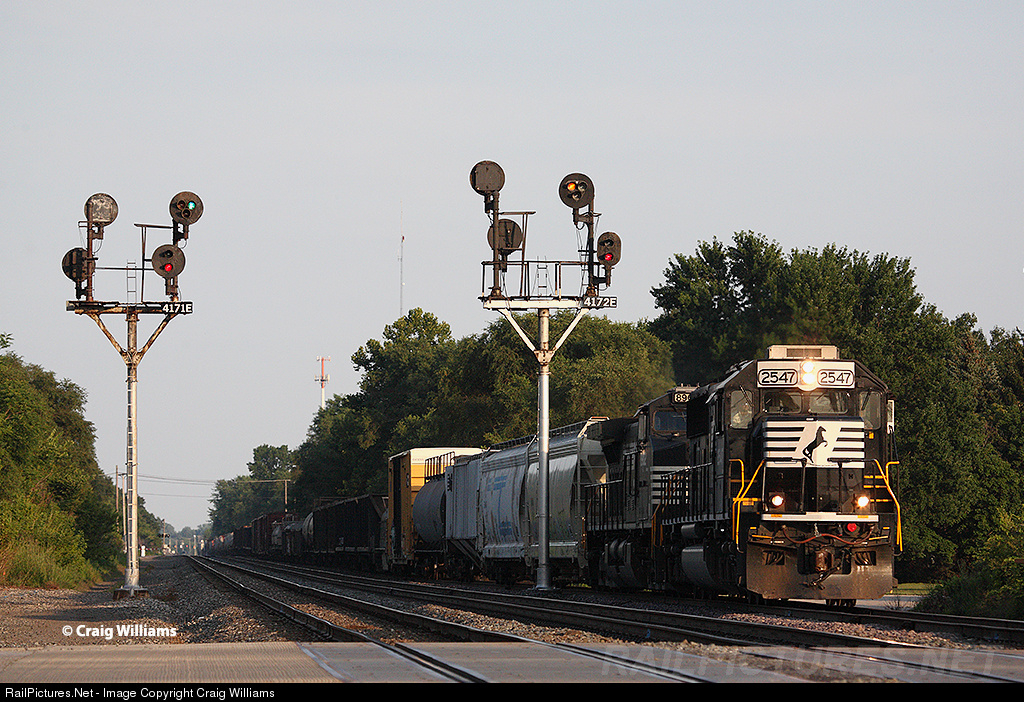
Y brackets eventually evolved into this modern aluminum design popular on the former NY Central parts of Conrail. These three headed signals illustrate the extreme heights that bracket masts could reach which may not have been popular with maintainers.
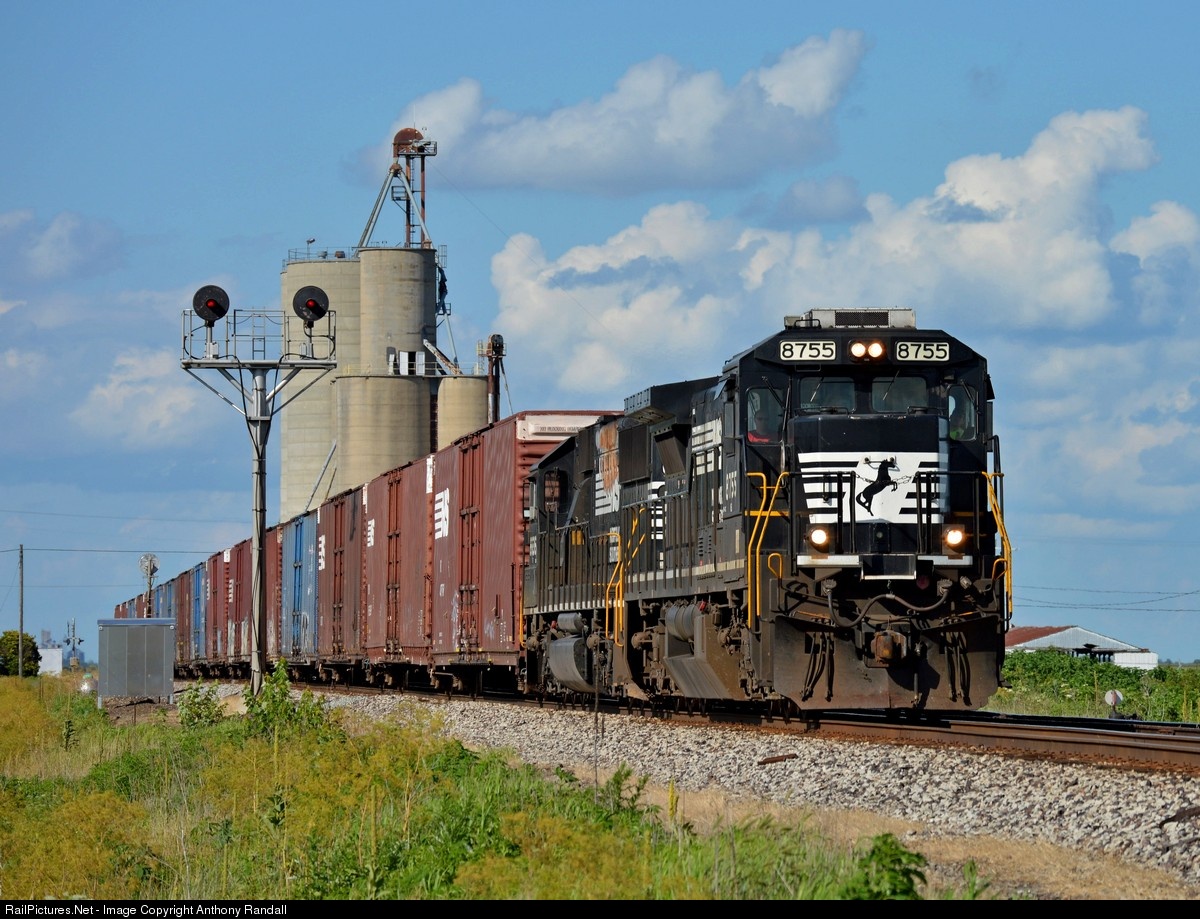
Of course bracket masts can come in all levels of complexity. This modern Nickel Plate example (same as the Conrail one above) sports only a single searchlight head per signal.
Bracket masts can also be combined with virtual headed signals as seen here on the former MILW route in Wisconsin displaying Diverging Clear.
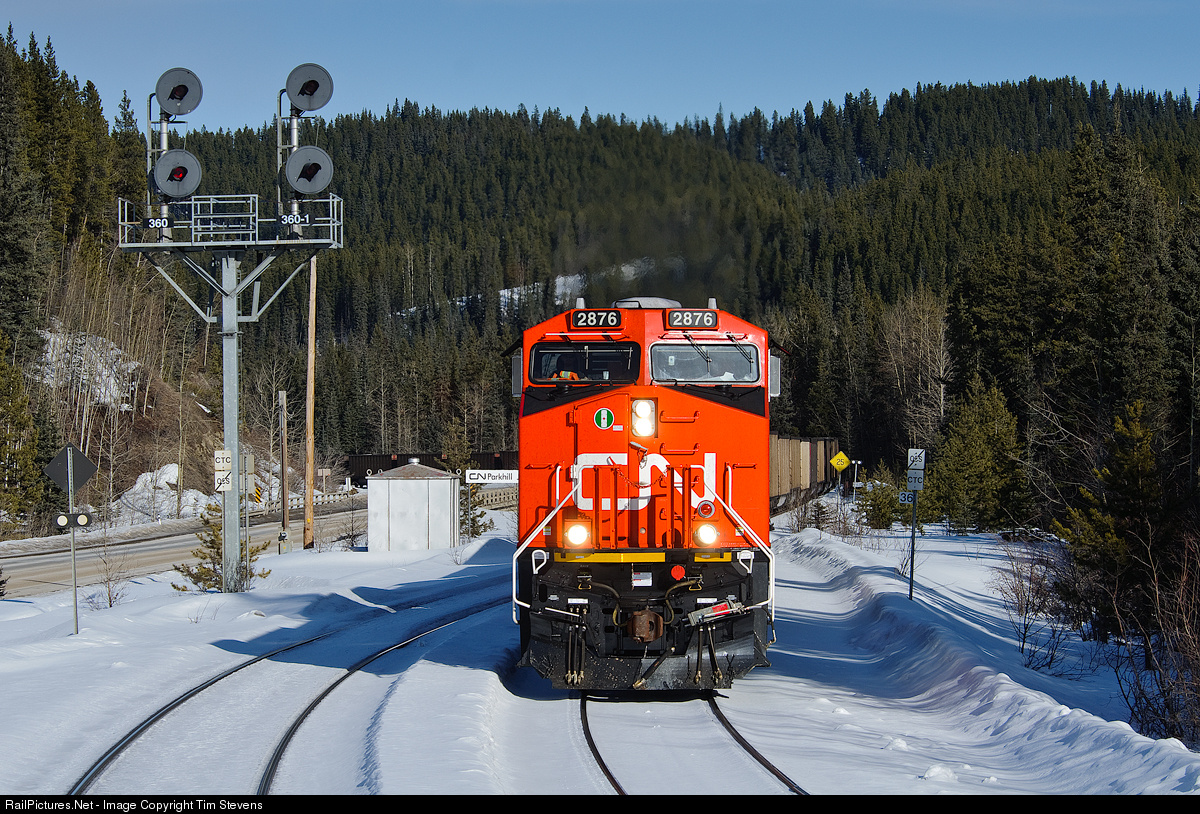
Here we see perhaps the ultimate Y bracket design up in Canada with a box steel support.
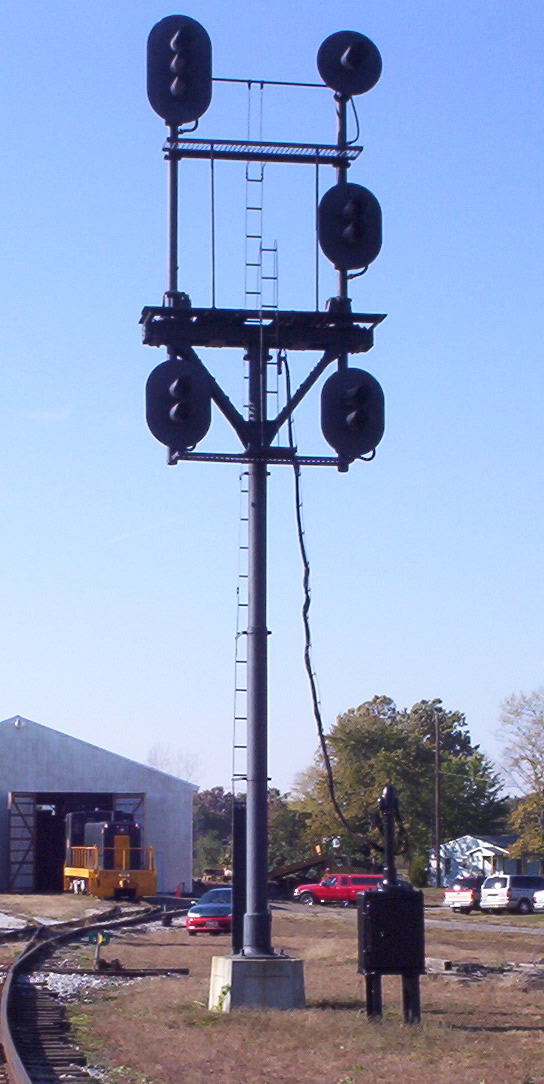
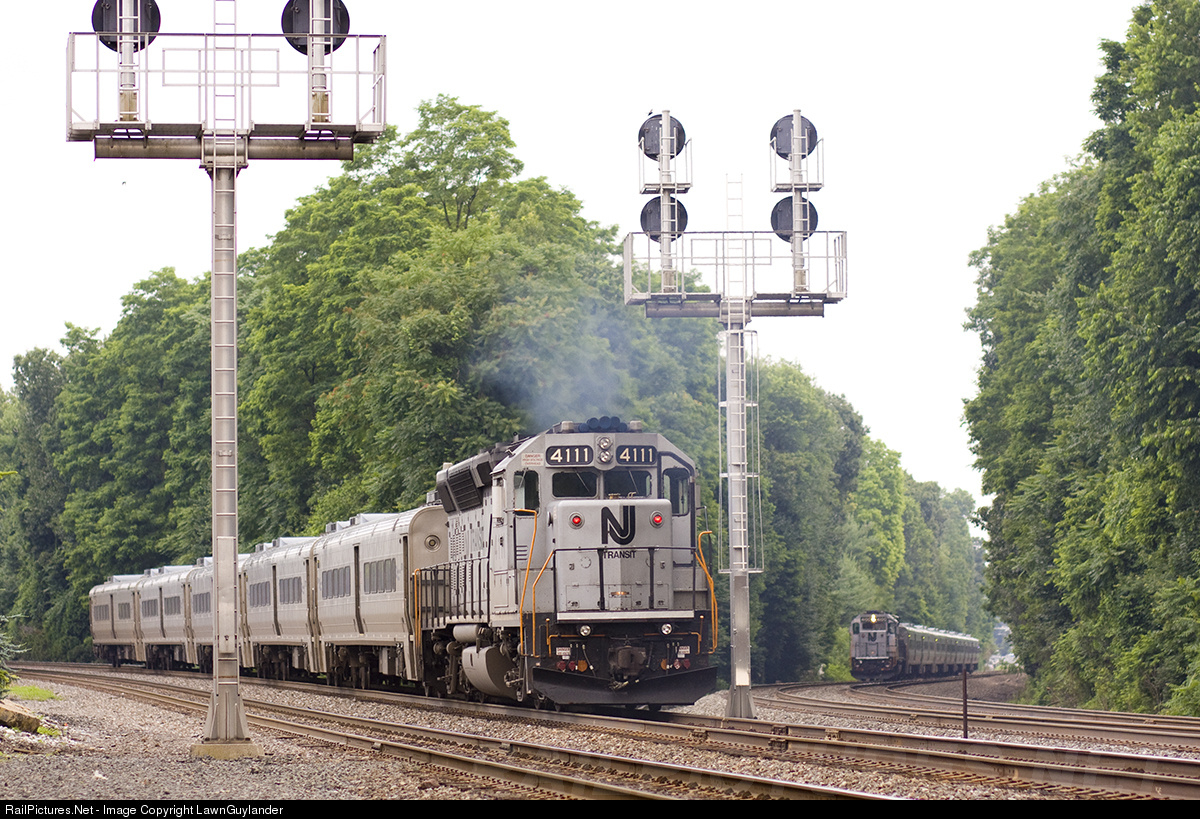
Don't think we're done saving money yet because the bracket underwent another letter revolution with the T type bracket seen here in service with NJ Transit. These consisted of one aluminum tube resting perpendicular across a vertical support tube.
This type of T bracket, seen here on a former C&O line, but also popular with Conrail, featured a slightly more elaborate attachment. Note the contrast between the "old" elephant ear signals and the modern tubular masts.
Today the only railroads to still regularly install bracket masts are the MBTA and the former Guilford Rail System in New Englande. Seen above is a brand new Y type with Darth Vader LED signals. The MBTA still installs target type color light signals.
When Conrail implemented double stacks on its Chicago Line in the early 90's, it hit upon the clever idea of turning one of the two signals on each bracket to convert them into glorified masts. This eliminated the need to either install new mast signals or raise the height of the bracket signals above the level of the double stacked containers.
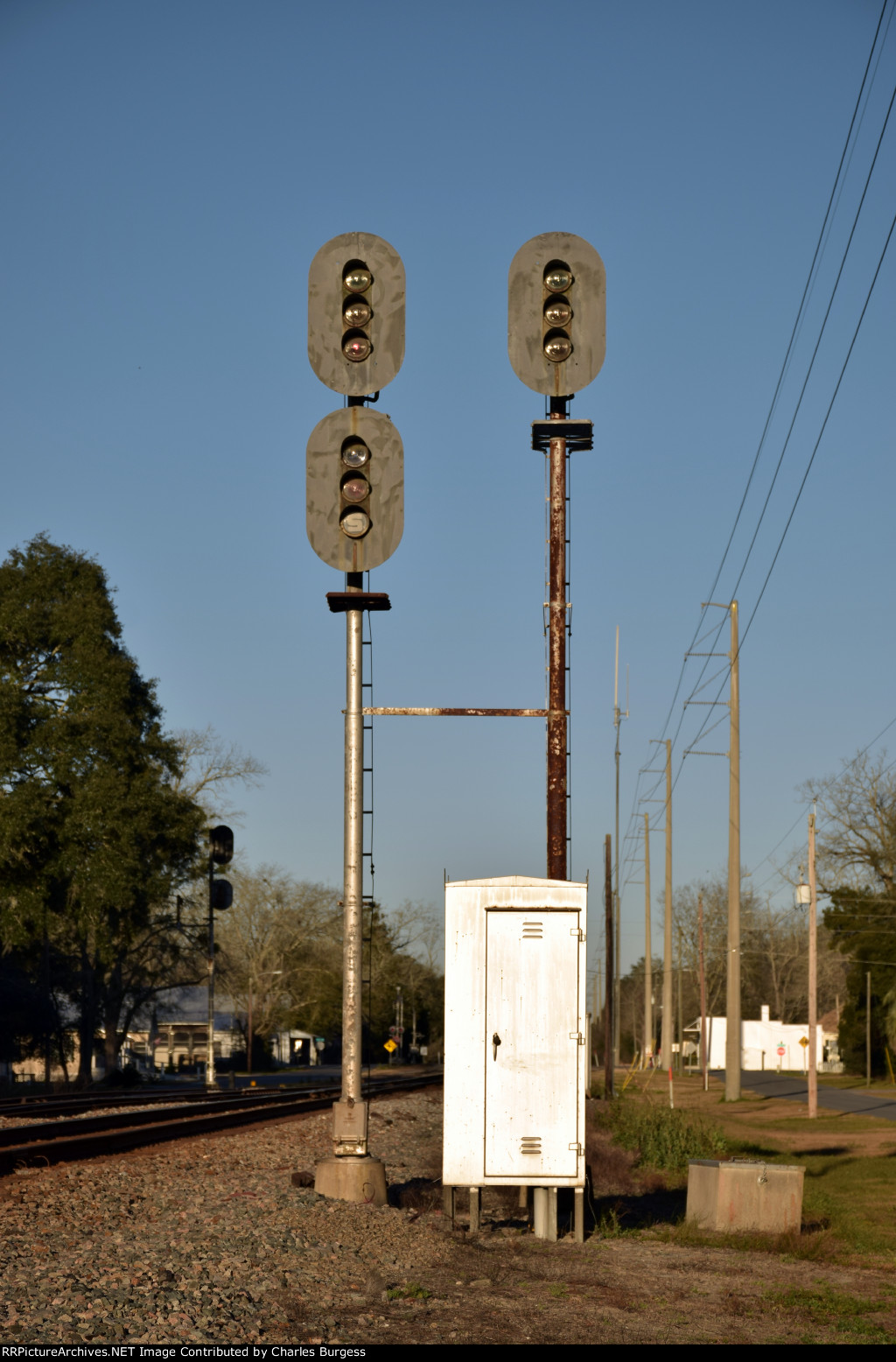
Of course no discussion of brackets would be complete without the poor man's bracket, which consists of two masts set side by side. This was mostly a Seaboard innovation in the southern part of its territory.
What drove the use of bracket signals in North America was the combination of needing right handed placement due to the limited view ahead from steam locomotives, the need to accommodate multiple tracks in the same direction and the desire to save money. To put it more simply, when the PRR needed to install new signals on a 4-track main line back in the 1870's it could either build costly signal bridges or put up one single bracket signal that could apply to both tracks. It would have another resurgence with the advent of CTC where once again adjacent tracks could have traffic moving in the same direction.
The bracket mast's downfall was due to a number of reasons, The ICC relaxed the rule on left mounted signals, railroads reduced the number of 3+ track main lines and double stack trains required bracket type signals to be mounted even higher so that they could still be sighted over 20 feet of containers. I just wanted to take the time to go over some of the basic types of bracket mast and the context in which they appear.
The earliest (steel) bracket masts used lattice steel uprights like this one seen at BRYN MAWR interlocking on the PRR Main Line. It is worth pointing out that brackets are often utilized as glorified masts when only one signal is fitted.
The most common type of bracket mast is what I like to call the Y style due to the large central support and twin arms that hold up the individual signal masts.
Brackets are known for their generous platforms that support the C&S workers below each signal head.
Y brackets can be upgraded with new signals such as these 1980's vintage US&S modular traffic lights.
The square bracket was made by US&S and was only seen on a few railroads such as the Reading. It featured signal supports with two horizontal connections to the central mast. Above we see an older lattice version and a newer steel pipe version.
The Nickel Plate used a variation of the square bracket that featured square signal supports that extended below the platform, however as you can see it is still a modified Y bracket.
Y brackets eventually evolved into this modern aluminum design popular on the former NY Central parts of Conrail. These three headed signals illustrate the extreme heights that bracket masts could reach which may not have been popular with maintainers.
Of course bracket masts can come in all levels of complexity. This modern Nickel Plate example (same as the Conrail one above) sports only a single searchlight head per signal.
Bracket masts can also be combined with virtual headed signals as seen here on the former MILW route in Wisconsin displaying Diverging Clear.
Here we see perhaps the ultimate Y bracket design up in Canada with a box steel support.
This type of T bracket, seen here on a former C&O line, but also popular with Conrail, featured a slightly more elaborate attachment. Note the contrast between the "old" elephant ear signals and the modern tubular masts.
Today the only railroads to still regularly install bracket masts are the MBTA and the former Guilford Rail System in New Englande. Seen above is a brand new Y type with Darth Vader LED signals. The MBTA still installs target type color light signals.
When Conrail implemented double stacks on its Chicago Line in the early 90's, it hit upon the clever idea of turning one of the two signals on each bracket to convert them into glorified masts. This eliminated the need to either install new mast signals or raise the height of the bracket signals above the level of the double stacked containers.
Of course no discussion of brackets would be complete without the poor man's bracket, which consists of two masts set side by side. This was mostly a Seaboard innovation in the southern part of its territory.
Tuesday, May 10, 2016
Curtain Closes on the B&O
Before I get to the rest of the news it is my sad duty to report that the last B&O CPLs on the Capitol Limited route at MEXICO and WEST HUMP in Cumberland, MD have fallen to the Darth Vader plague. Fortunately there was are no shortage of photos. Where will the railfan go? I guess we'll have to wait and see.
In other news the former PRR signal bridge at the SA drawbridge has also been taken out of service.
I also noticed that the low cost "virtual head" signals on the old MILW main are also getting replaced with standard Darths. Again, aren't companies supposed to save money? Not sure how I personally feel since those virtual head signals aren't much to look at, but I guess they are different.
Speaking of different, I caught this photo showing either CN or CP installing LED searchlights to replace traditional searchlights in the Toronto area. I wish this would take off because these are the sorts of signals railroads should be embracing.
Enough with the good news, I also learned that the former Conrail signals on the Trenton Line between TRENT and Bound Brook are getting replaced. I have to assume CP-WING is in the crosshairs as well. Looks like it might be time for a road trip.
The searchlight sub-species of C&O signal in Michigan are also nearing their end as seen hear in Romulus. Really...the Seaboard System has absolutely no business being in Michigan.
Although its not like being in Florida makes and difference. These classic Seaboard elephant eats with (P) boards are also slated for the bin.
Well that's it for this month. At least I was able to snap the streak of news posts without at least one line item of positive news!
Subscribe to:
Posts (Atom)